While working on this chapter, one idea kept returning. Many design challenges are not certain. The problem itself keeps changing. Different stakeholders define it differently. Sometimes even the goal is unclear.
In this chapter, we try to make sense of this uncertainty by looking at two things. First is the type of problem. A simple service problem requires a very different approach from a complex or wicked one. Second is the source of uncertainty. It may come from users, from organizations, or from broader changes in society.
Another point became important as we wrote. Uncertainty does not arise only from the external context of a design task. It is also generated within the design process itself. The ways we define users, select tools, and frame assumptions can introduce additional uncertainty.
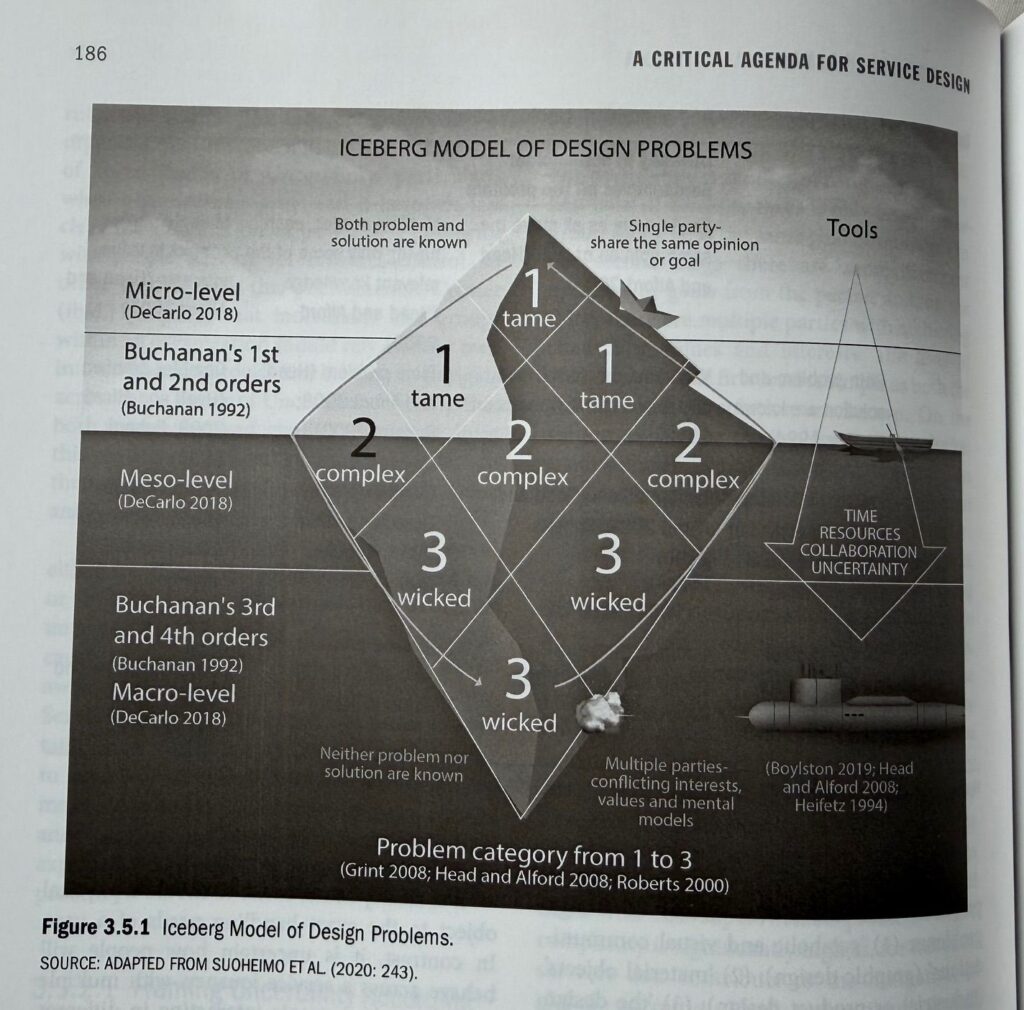
This leads to a different question. Instead of asking how to eliminate uncertainty, what if we ask how to design services that can live with it?
Therefore, our temporary answer is resilience. A service does not need to predict everything in advance. But it should be able to adapt, respond, and recover when conditions change. This requires flexibility, ongoing feedback, and often a different mindset about control.
**
Reference
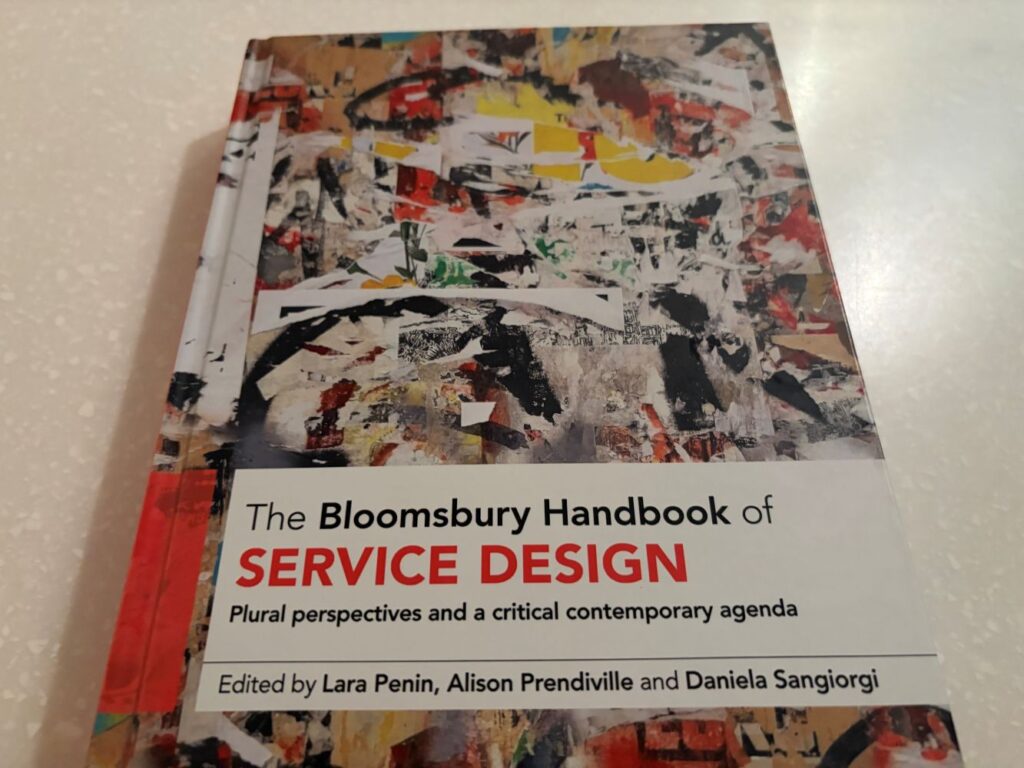
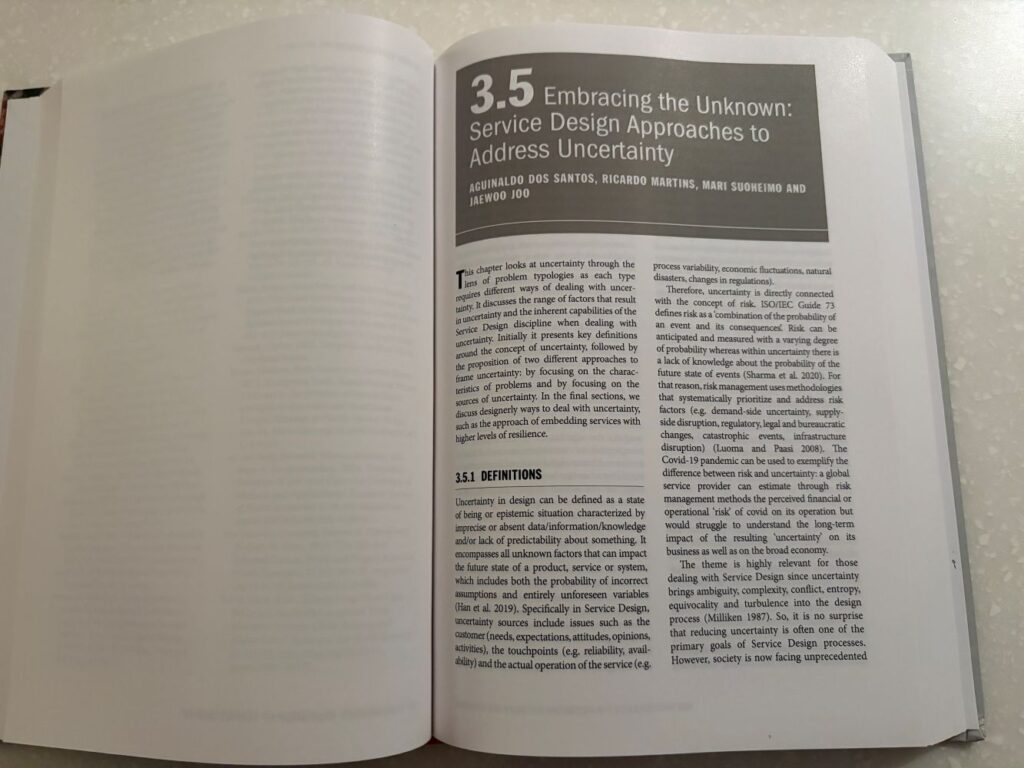
Santos, Aguinaldo dos, Ricardo Martins, Mari Suhoeimo, and Jaewoo Joo (2026), “Embracing the unknown: service design approaches to address uncertainty,” in The Bloomsbury Handbook of Service Design: Plural Perspectives and a Critical Contemporary Agenda, Lara De Sousa Penin, Alison Prendiville, and Daniela Sangiorgieds, eds., Bloomsbury Publishing, 181-198.