Tag Archives: D&Department

How D&Department creates value where E-commerce cannot

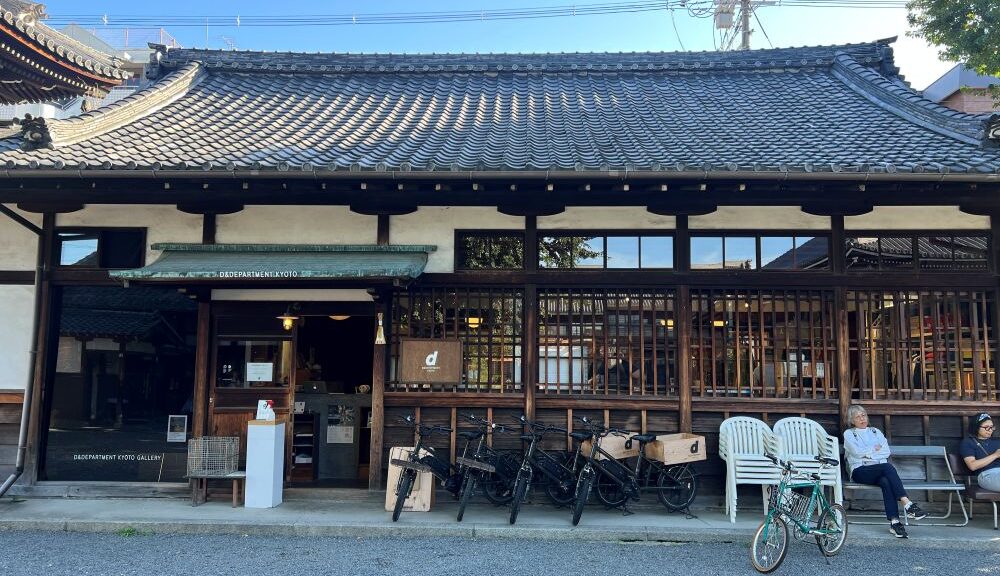
I recently visited D&Department Kyoto (ディアンドデパートメントプロジェクト), a store in Japan dedicated to enduring value. D&Department champions “Long Life Design,” promoting sturdy, regional, and sometimes used products.
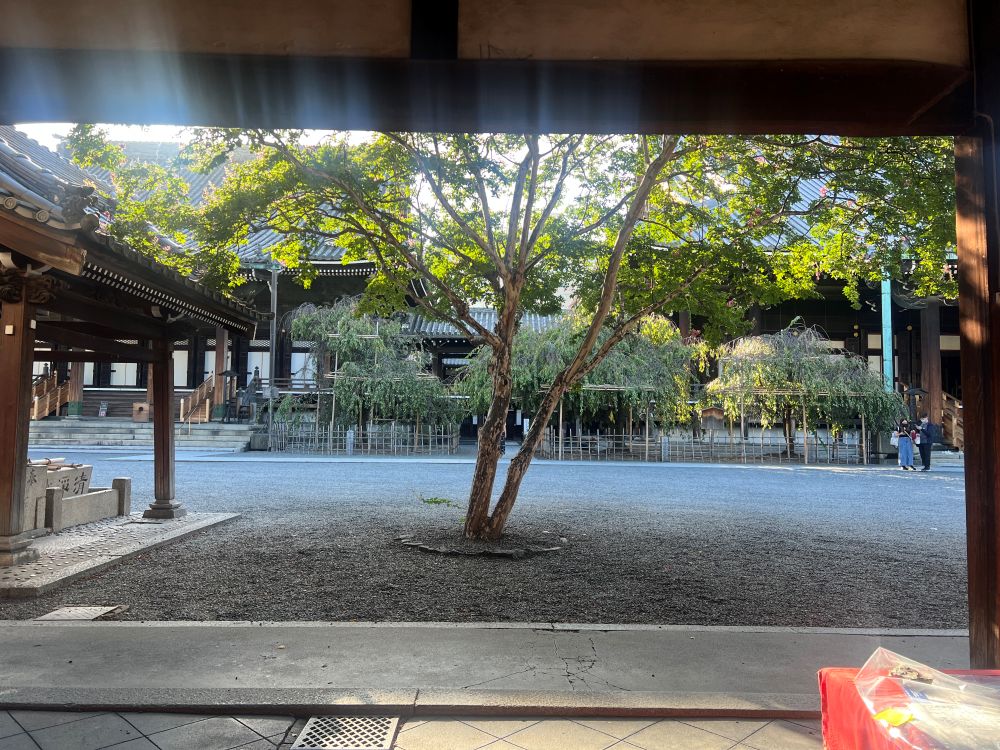
One marketing lesson comes from the store’s special location inside Bukkō-ji Temple. When I walked from the temple’s old courtyard into the shop, every object instantly looked more valuable.
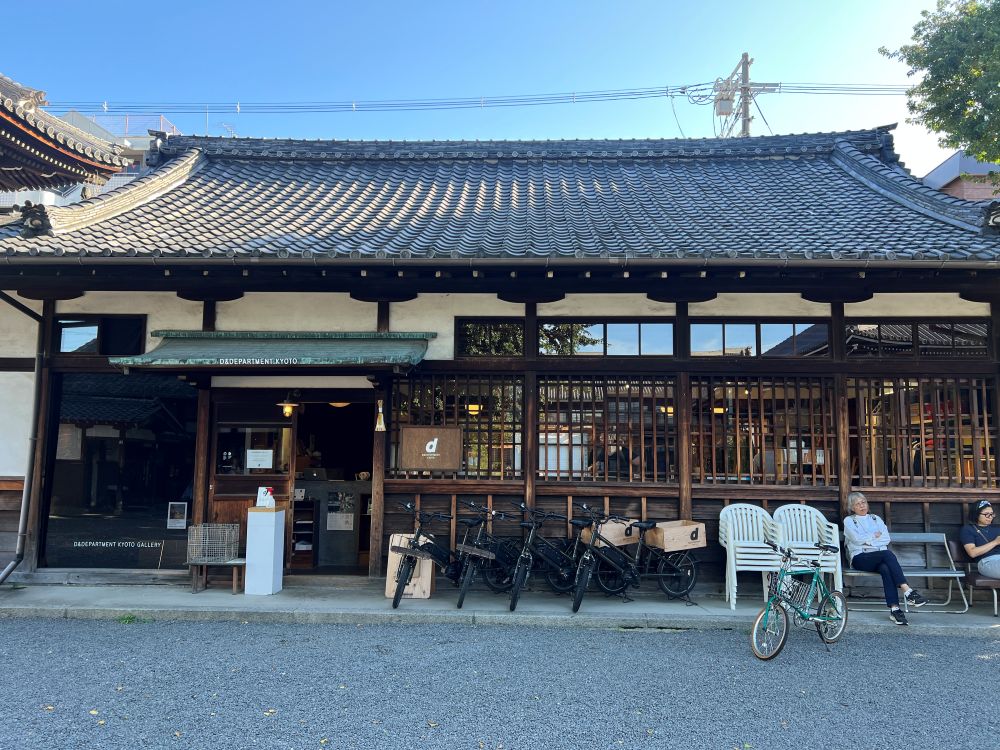
A simple cup, which might look just functional online, becomes a curated object filled with the temple’s sense of history. The environment transforms the act of shopping into a cultural thing. Even used items are valuable pieces of good design.
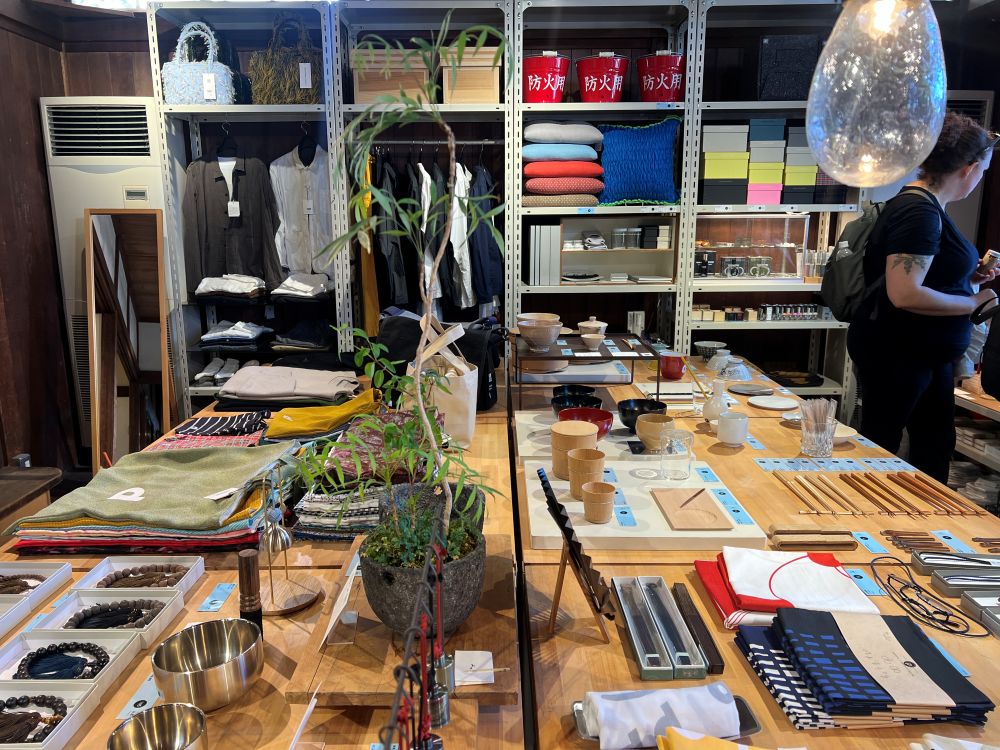
I think the physical store works as a contextual amplifier. It makes the perceived value of every item higher. The products work together, and their collective value is bigger than their individual parts. I saw the same phenomena at the Jeju café (http://designmarketinglab.com/archives/6550) and also at the Napa Valley winery (http://designmarketinglab.com/archives/7444).
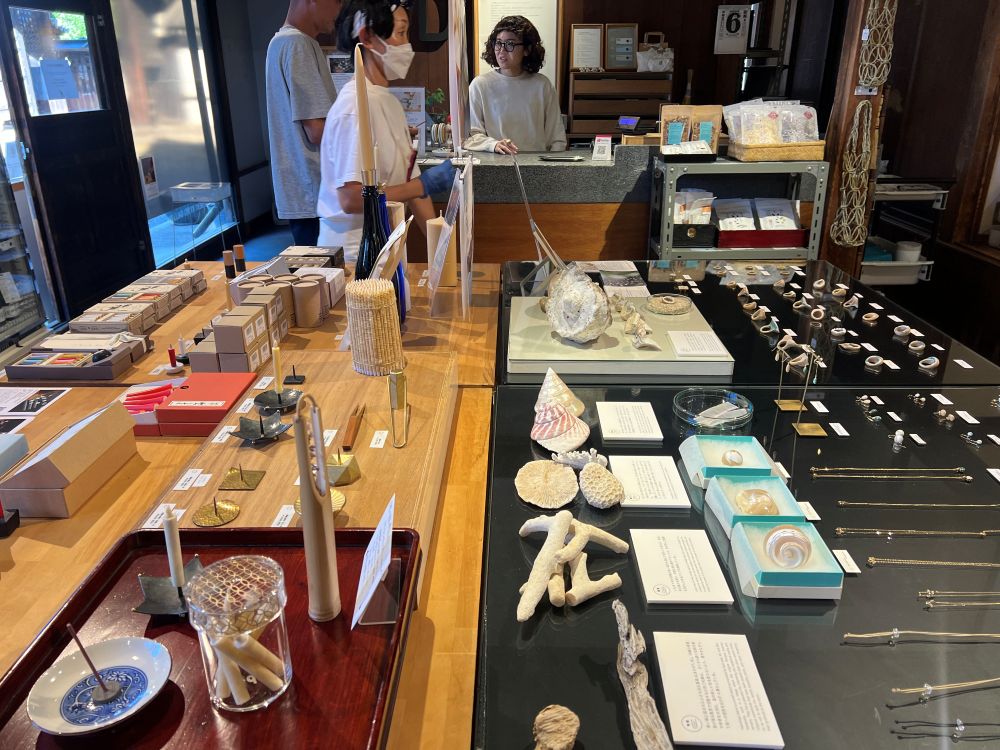
Studies confirm the physical store is necessary for physical engagement with “deep products” like used items. The quality of the physical retail environment is a direct antecedent to the customer’s overall value creation and experience. This is particularly true for high-design goods that require multi-sensory inspection for customers to feel confident in their purchase.

***

Reference

Verhoef, P. C., Lemon, K. N., Parasuraman, A., Roggeveen, A., Tsiros, M., & Schlesinger, L. A. (2009). Customer experience creation: Determinants, dynamics and management strategiesJournal of retailing85(1), 31-41.

Retailers, such as Starbucks and Victoria’s Secret, aim to provide customers a great experience across channels. In this paper we provide an overview of the existing literature on customer experience and expand on it to examine the creation of a customer experience from a holistic perspective. We propose a conceptual model, in which we discuss the determinants of customer experience. We explicitly take a dynamic view, in which we argue that prior customer experiences will influence future customer experiences. We discuss the importance of the social environment, self-service technologies and the store brand. Customer experience management is also approached from a strategic perspective by focusing on issues such as how and to what extent an experience-based business can create growth. In each of these areas, we identify and discuss important issues worthy of further research.

People do not prefer crowded restaurants over empty ones

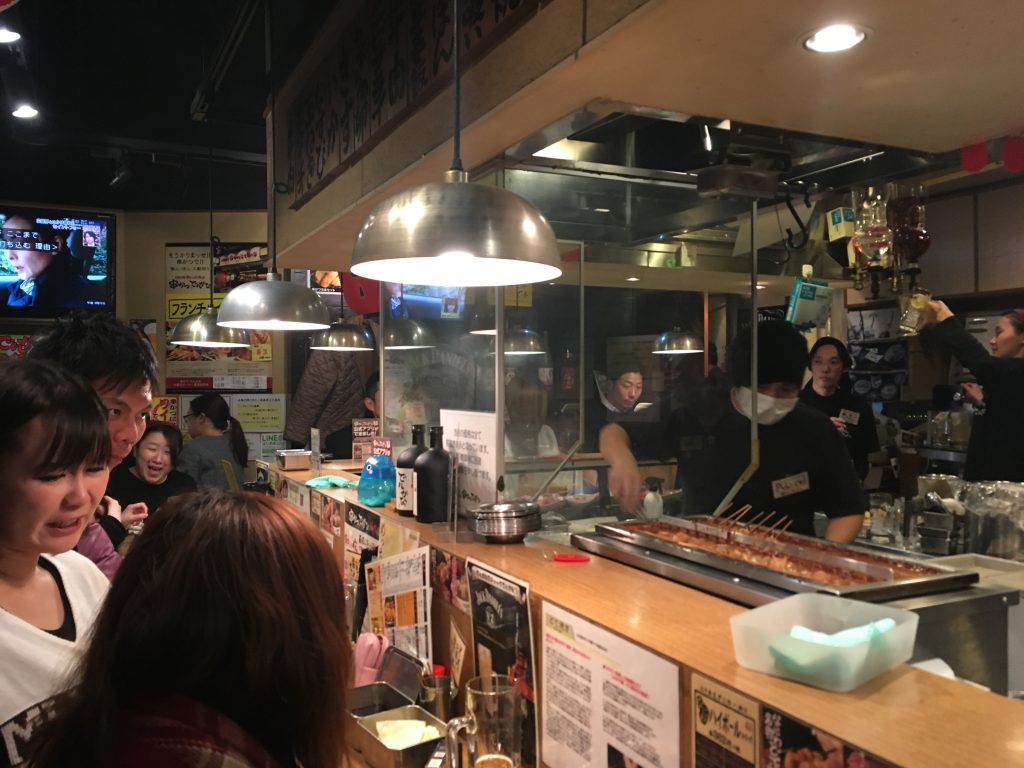
About 36 million people live in Tokyo and its neighboring cities. Most restaurants well known to foreigners are heavily crowded. Therefore, when I dine out in Tokyo, I have to wait for a table for a decent amount of time. The fact that many local people are waiting for their tables relieves my concern that I might have chosen a wrong restaurant. Although crowdedness plays a role as social proof when I “choose” a restaurant, I think I may enjoy dish more if I have a breathing room or enough empty space inside when I “experience” a restaurant.

My thought was supported when I had a lunch at a restaurant run by D&Department in Tokyo. D&Department project is a store-style activist proposed by Nagaoka Kenmei, a Japanese designer, in 2000, with a theme of a “long-life design.” It introduces design products for our daily lives such as eating, drinking, publishing and traveling. It aims to spread all over the country the products excavated in local regions. Therefore, the design products introduced by D&Department are the durable items that should be used for a long time and regional items that each specific region of Japan uniquely identifies. Therefore, serving local, authentic dish at a restaurant made sense to me.

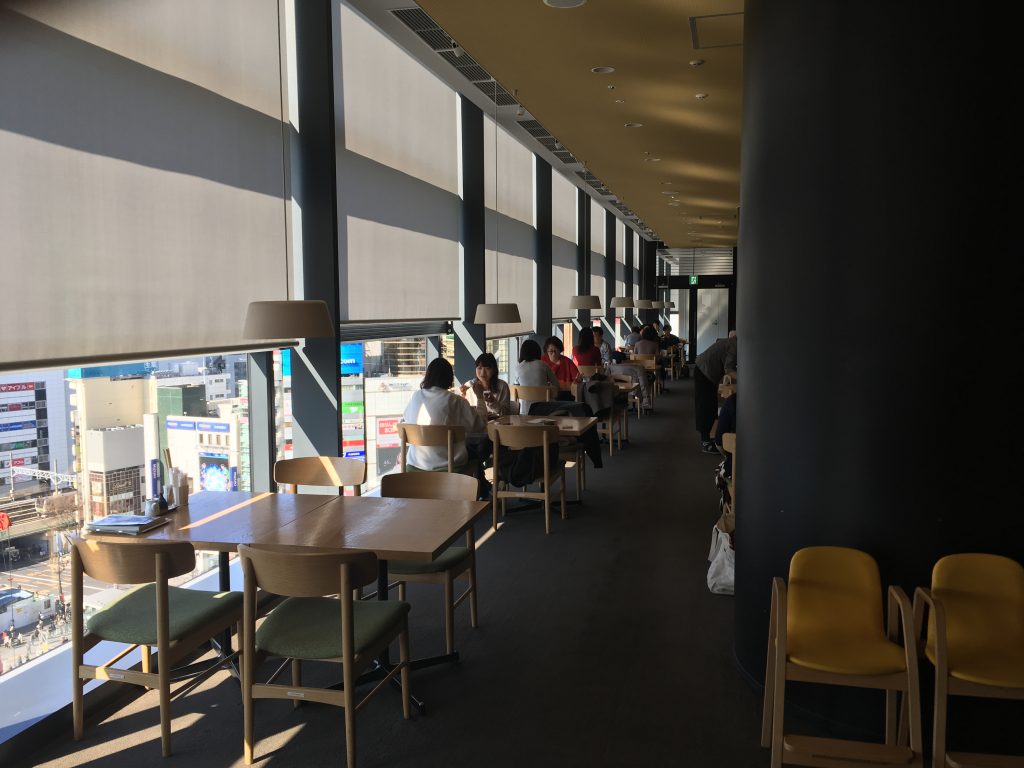
Going beyond design items and local dish, this restaurant provided sufficient empty space to each guest, which was rare in Tokyo. This restaurant limited the number of guests entering the space. Therefore, people focused on their own dish inside while a huge crowd of people waited for their tables outside. This space was quiet and well organized and guests were not visually distracted.

Do we like crowdedness or emptiness at restaurants? Marketing scientists have studied this issue. Some argue that crowdedness plays a role as a social proof while others argue that emptiness signals social class. We may like crowdedness when buying mass products or visiting casual restaurants, whereas we pursue emptiness when searching for luxury goods or dining out at Michelin starred restaurants.

***

Reference

O’Guinn, T. C., Tanner, R. J., & Maeng, A. (2015). Turning to space: Social density, social class, and the value of things in stores. Journal of Consumer Research, 42(2), 196–213.

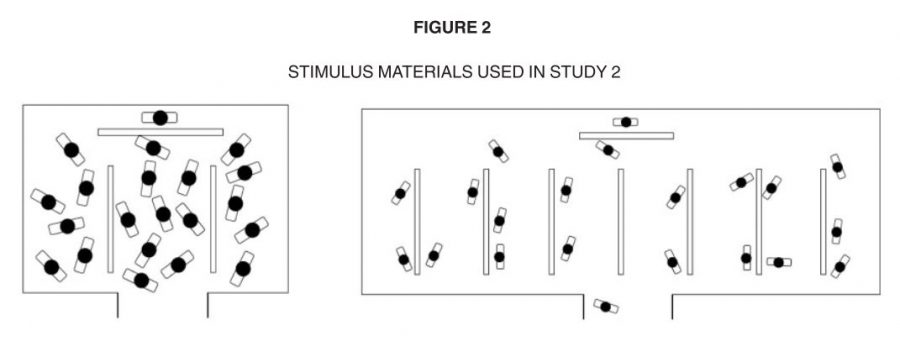
This article is about social space and material objects for sale within that space. We draw primarily on Goffman’s (1971) concepts of use space and possession territories to predict that as the social density of a given space increases, inferences of the subjective social class and income of people in that space fall. Eight studies confirm that this is indeed the case, with the result holding even for stick figures, thus controlling for typical visual indicators of social class such as clothing or jewelry. Furthermore, these social class inferences mediate a relationship between social density and product valuation, with individuals assessing both higher prices and a greater willingness to pay for products presented in less crowded contexts. This effect of inferred class on product valuation is explained by status-motivated individuals’ desire to associate with higher-status people. To the best of our knowledge, this research is the first to reveal the link between social density, status inferences, and object valuations. As such, it makes a novel contribution to what has come to be known in sociology as the topological turn: a renewed focus on social space.