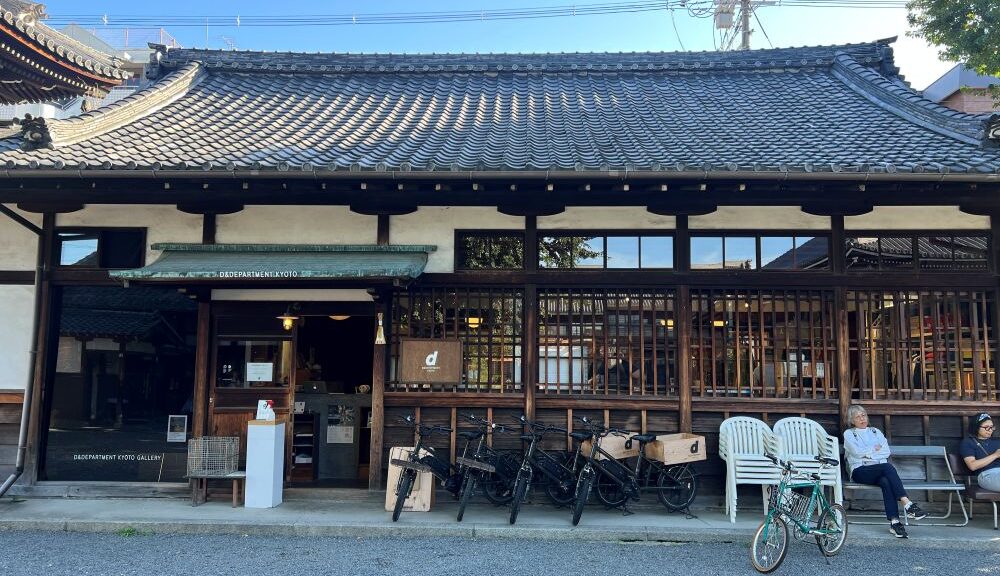
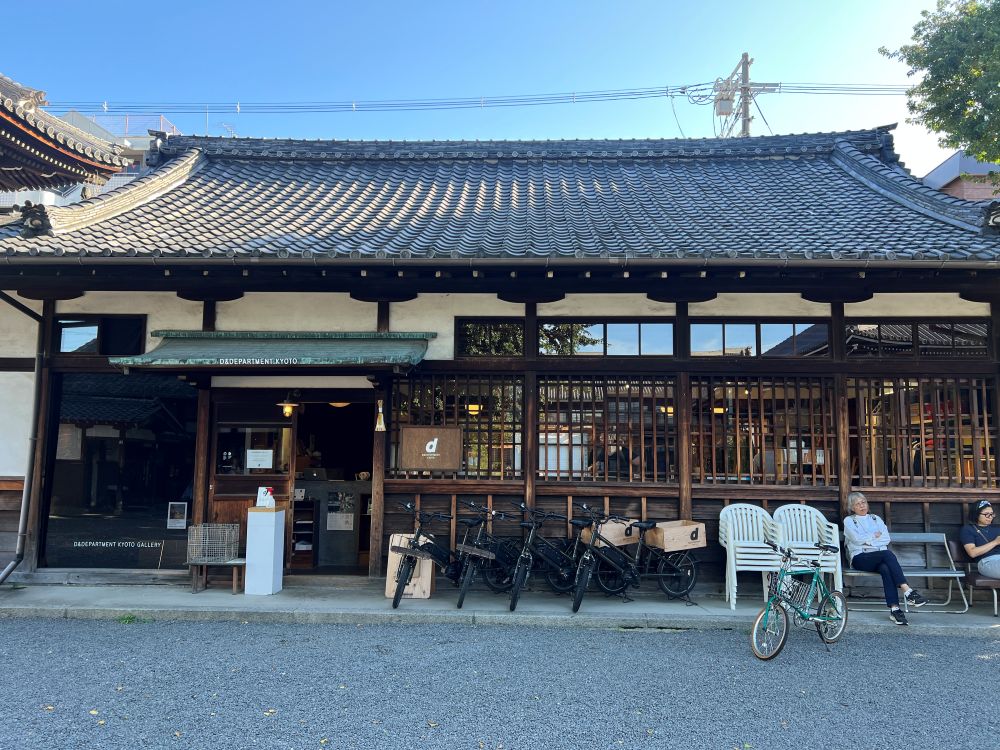
I recently visited D&Department Kyoto (ディアンドデパートメントプロジェクト), a store in Japan dedicated to enduring value. D&Department champions “Long Life Design,” promoting sturdy, regional, and sometimes used products.
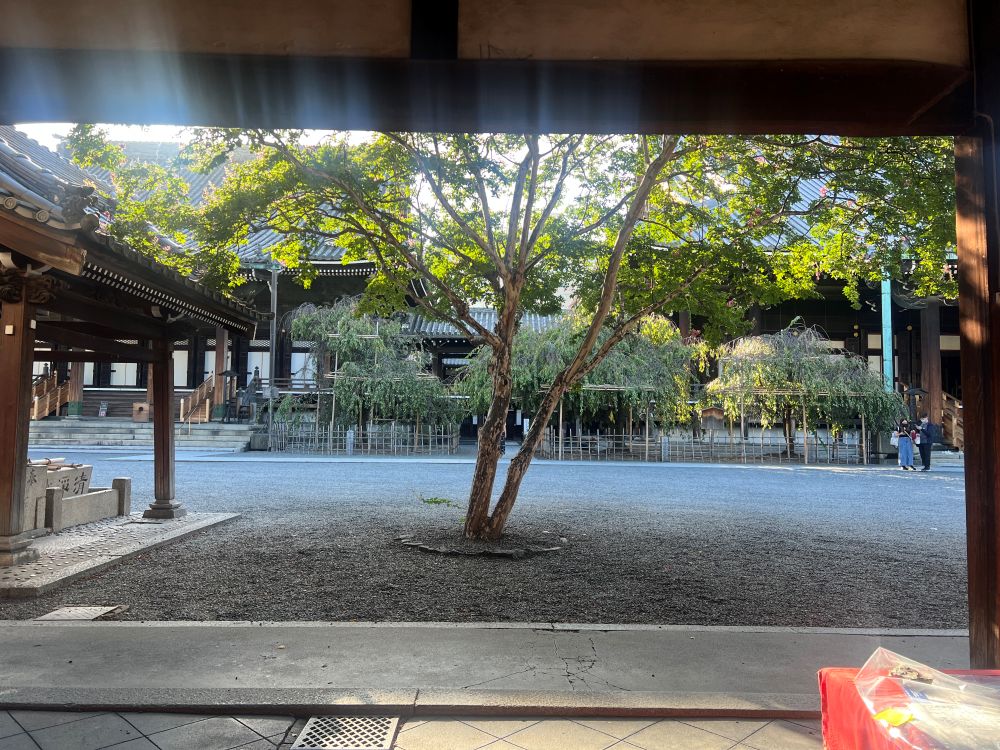
One marketing lesson comes from the store’s special location inside Bukkō-ji Temple. When I walked from the temple’s old courtyard into the shop, every object instantly looked more valuable.
A simple cup, which might look just functional online, becomes a curated object filled with the temple’s sense of history. The environment transforms the act of shopping into a cultural thing. Even used items are valuable pieces of good design.
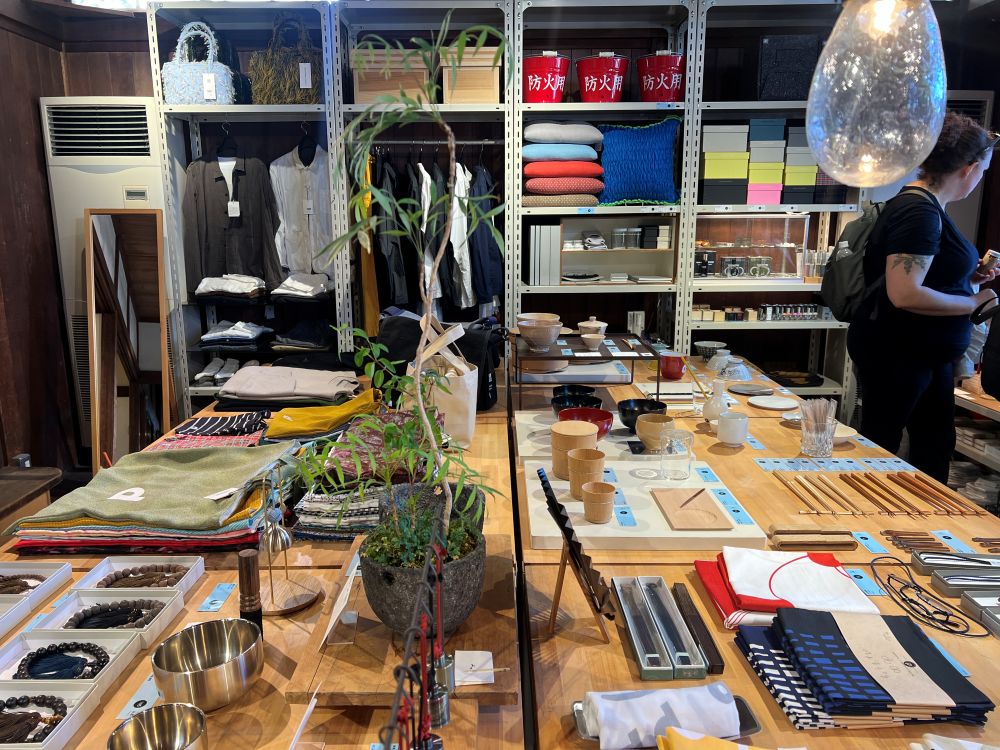
I think the physical store works as a contextual amplifier. It makes the perceived value of every item higher. The products work together, and their collective value is bigger than their individual parts. I saw the same phenomena at the Jeju café (http://designmarketinglab.com/archives/6550) and also at the Napa Valley winery (http://designmarketinglab.com/archives/7444).
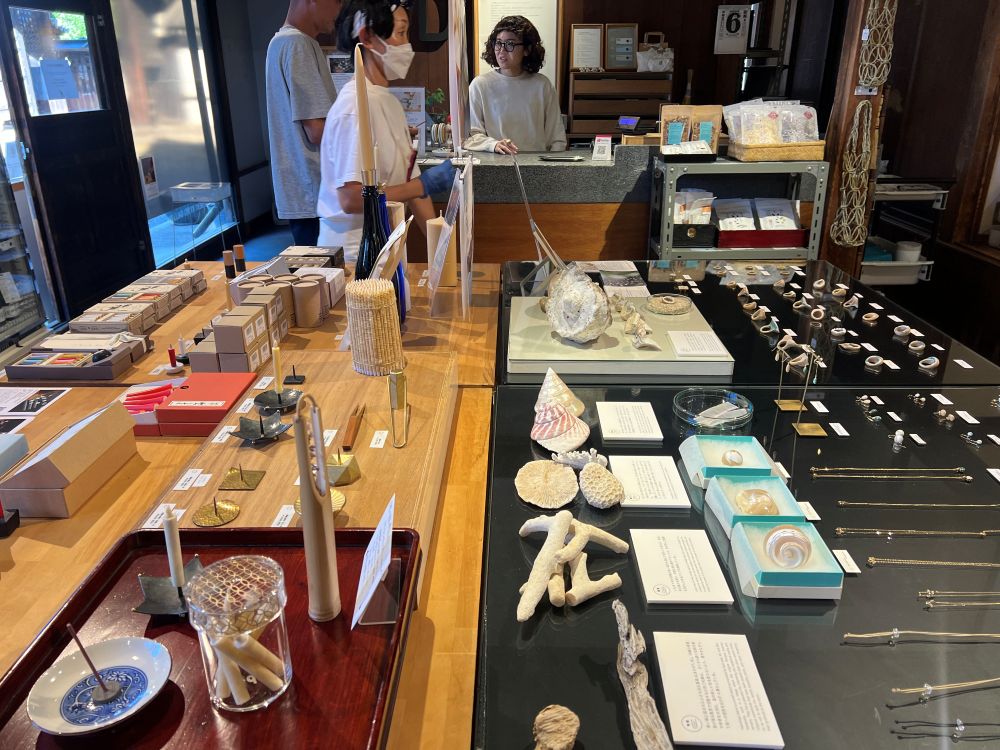
Studies confirm the physical store is necessary for physical engagement with “deep products” like used items. The quality of the physical retail environment is a direct antecedent to the customer’s overall value creation and experience. This is particularly true for high-design goods that require multi-sensory inspection for customers to feel confident in their purchase.
***
Reference
Verhoef, P. C., Lemon, K. N., Parasuraman, A., Roggeveen, A., Tsiros, M., & Schlesinger, L. A. (2009). Customer experience creation: Determinants, dynamics and management strategies. Journal of retailing, 85(1), 31-41.
Retailers, such as Starbucks and Victoria’s Secret, aim to provide customers a great experience across channels. In this paper we provide an overview of the existing literature on customer experience and expand on it to examine the creation of a customer experience from a holistic perspective. We propose a conceptual model, in which we discuss the determinants of customer experience. We explicitly take a dynamic view, in which we argue that prior customer experiences will influence future customer experiences. We discuss the importance of the social environment, self-service technologies and the store brand. Customer experience management is also approached from a strategic perspective by focusing on issues such as how and to what extent an experience-based business can create growth. In each of these areas, we identify and discuss important issues worthy of further research.

The post argues that even when people prefer buying products online, visiting an offline store can increase their purchase intention. This is because previous research shows that physically touching or experiencing a product reduces uncertainty and strengthens psychological ownership. I agree with the argument and would like to support it with my own examples.
First, I really enjoy stationery, so I often visit stationery stores even when I am not planning to buy anything. Online photos never show the real details, like how smooth a pen writes or what the paper actually feels like. But in the store, I can try everything myself. I also find many unique items that I never see online. Because I can experience the products directly, I feel more sure about what I want, and I make better decisions. This matches the post’s idea that offline stores help people feel more confident when choosing a product.
Another example is the growing popularity of CD and vinyl cafés in Korea. Even though everyone can easily listen to music through apps, people still go to these cafés to choose records, hear the warm analog sound, and enjoy the atmosphere. The experience is completely different from digital music. It shows that people value physical and sensory experiences, not just convenience.
These examples—from stationery stores to vinyl cafés—support the argument that offline spaces still play an important role. Even with all the convenience of online shopping, physical stores offer experiences that the online world cannot replace. They help people understand products better, feel more certain about their choices, and enjoy the process of shopping itself.
Здорова, народ Близкий человек уже несколько дней в запое Жена в истерике В больницу тащить страшно Короче, единственный кто реально помог — нарколог на дом анонимно с препаратами Через пару часов человек пришёл в себя В общем, не потеряйте контакты — вызов нарколога недорого [url=https://lechenie.narkolog-na-dom-sankt-peterburg014.ru]https://lechenie.narkolog-na-dom-sankt-peterburg014.ru[/url] Звоните прямо сейчас Перешлите тем кто в такой же ситуации