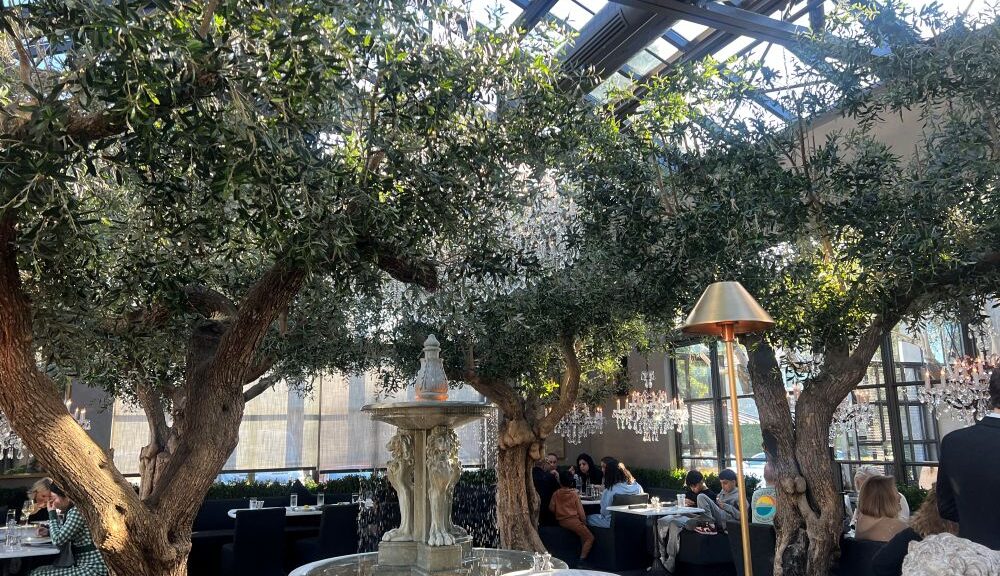
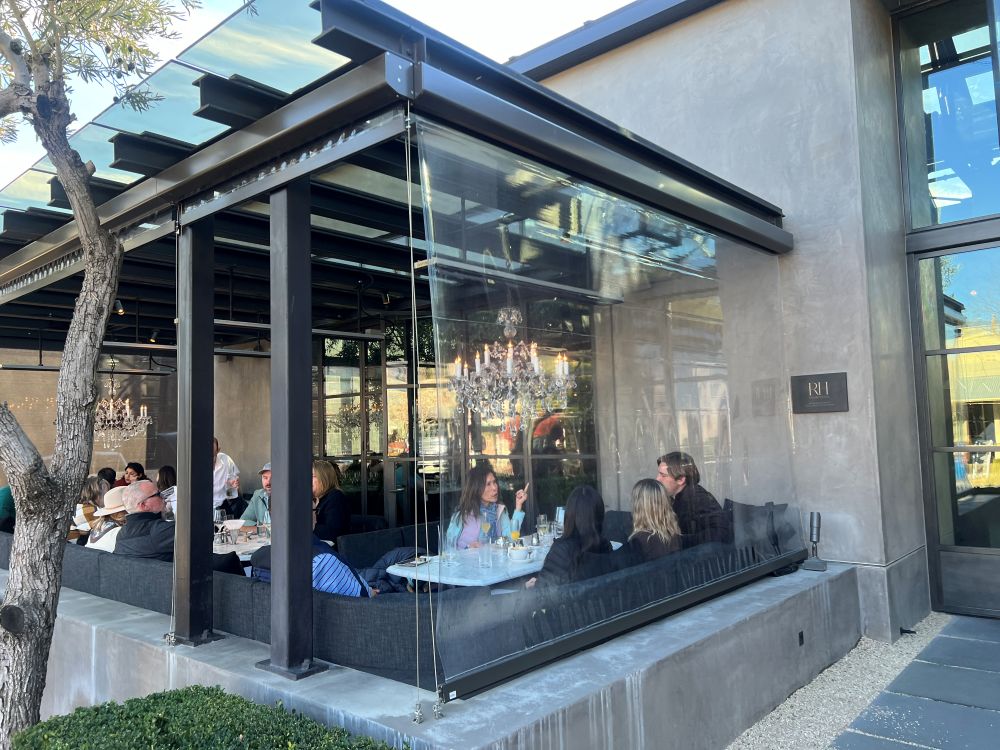
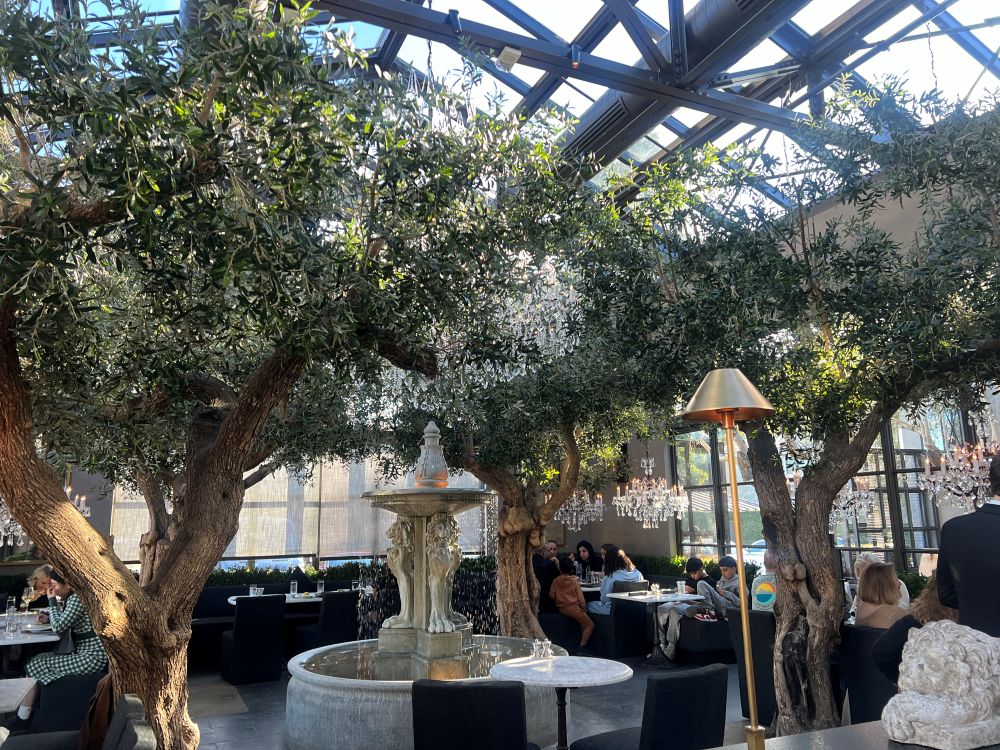
In November 2024 I dined at RH Restaurant at RH Yountville. The space blends indoor and outdoor under glass ceilings, with trickling fountains, olive trees, and chandeliers creating a dreamlike garden gallery.
Recently I went to RH Ocean Grill at RH Newport Beach in the evening. The panoramic coastal views were impressive; the decor and lighting heightened the moment.
RH began as Restoration Hardware, first known for high-end furniture. Over time it expanded its scope and became RH, a brand that connects design with lifestyle.
Today RH places its design in lived settings such as restaurants, guesthouses, and even private travel on its own jets RH One and RH Two or its yacht RH Three. This approach lets customers experience the brand directly, not just imagine it.
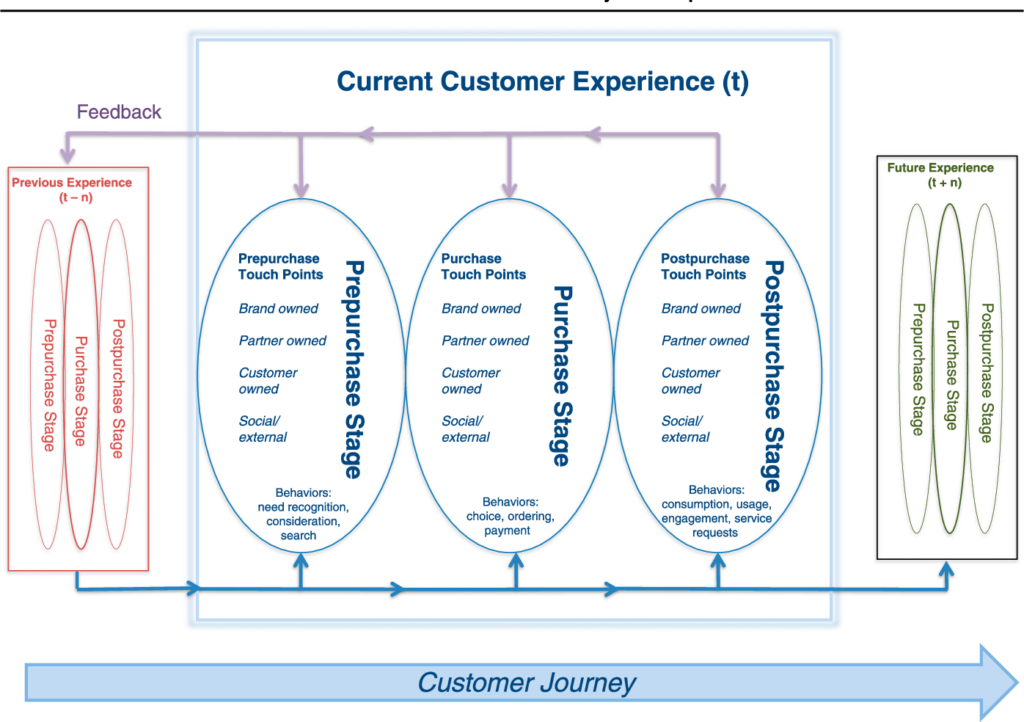
Understanding customer experience and the customer journey over time is critical for firms. Customers now interact with firms through myriad touch points in multiple channels and media, and customer experiences are more social in nature. These changes require firms to integrate multiple business functions, and even external partners, in creating and delivering positive customer experiences. In this article, the authors aim to develop a stronger understanding of customer experience and the customer journey in this era of increasingly complex customer behavior. To achieve this goal, they examine existing definitions and conceptualizations of customer experience as a construct and provide a historical perspective of the roots of customer experience within marketing. Next, they attempt to bring together what is currently known about customer experience, customer journeys, and customer experience management. Finally, they identify critical areas for future research on this important topic.
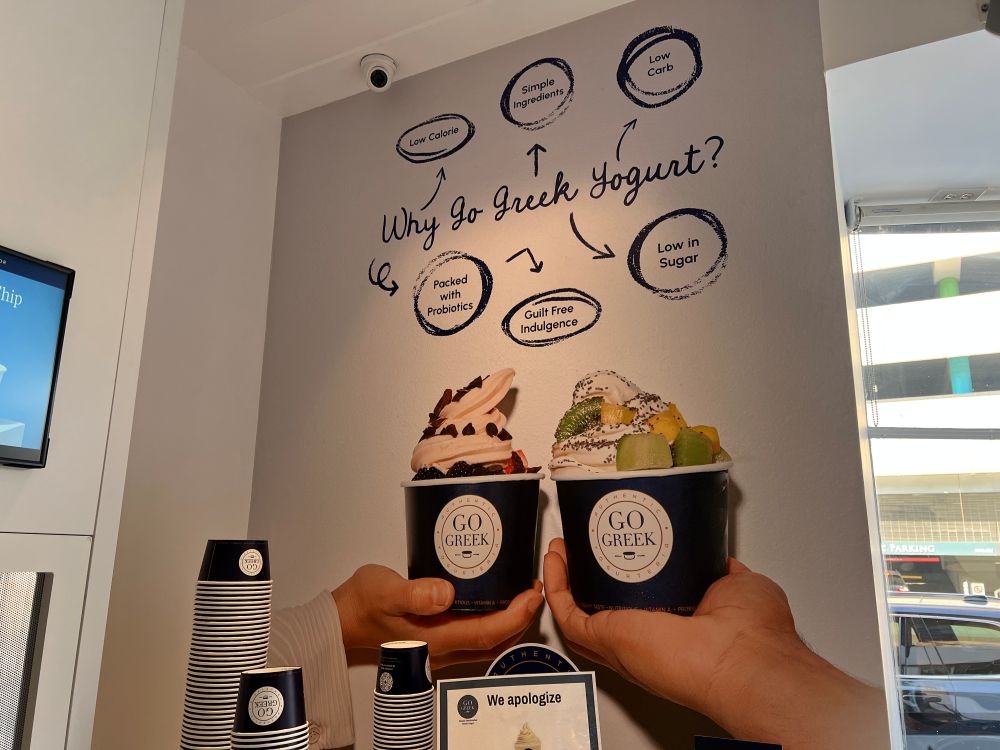
I visited Go Greek Yogurt in Beverly Hills one morning. This place started in 2012, founded by people who wanted to bring authentic Greek yogurt and Mediterranean lifestyle to California.
Inside the store, I noticed a wall sign that explains six reasons why this yogurt is good: low sugar, low carb, low calorie, simple ingredients, high probiotics, and guilt-free indulgence. These messages match well with what young consumers want today.
The store offers nine different yogurts: Plain Tart, Chocolate Classic, Greek Honey, Rose Petals, Hazelnut, Mango, Blackberry, Strawberry, and Vegan Strawberry. I like this variety because I am still searching for the yogurt that fits me. What I love more is that nine different yogurts are stored in big transparent glass containers. This gives the impression that yogurts are home-made.
Variety also appears in the toppings. Some are natural fruits like strawberries and pineapples, while others are processed sweets like chocolates and Skittles. The staff was preparing fresh fruits by peeling and cutting them for the next serving.
The menu suggests combinations such as “House Classics,” mixing Greek Honey, Hazelnut, Rose, and Strawberry.
The portion is generous, enough to share or to replace a meal. Go Greek Yogurt is a nice mix of freshness and taste. It shows how yogurt can be both indulgent and healthy.
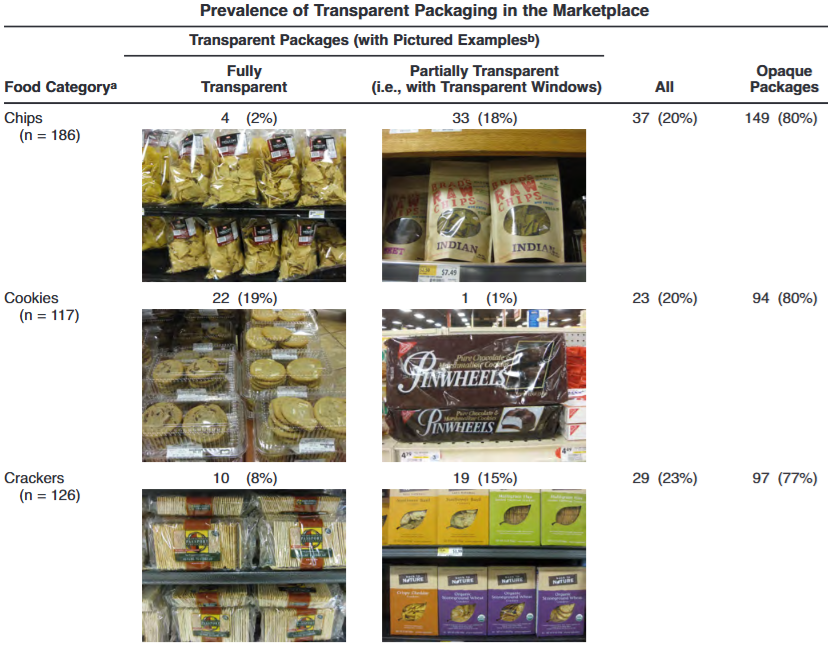
Transparent packages are pervasive in food consumption environments. Yet prior research has not systematically examined whether and how transparent packaging affects food consumption. The authors propose that transparent packaging has two opposing effects on food consumption: it enhances food salience, which increases consumption (salience effect), and it facilitates consumption monitoring, which decreases consumption (monitoring effect). They argue that the net effect of transparent packaging on food consumption is moderated by food characteristics (e.g., unit size, appearance). For small, visually attractive foods, the monitoring effect is low, so the salience effect dominates, and people eat more from a transparent package than from an opaque package. For large foods, the monitoring effect dominates the salience effect, decreasing consumption. For vegetables, which are primarily consumed for their health benefits, consumption monitoring is not activated, so the salience effect dominates, which ironically decreases consumption. The authors’ findings suggest that marketers should offer small foods in transparent packages and large foods and vegetables in opaque packages to increase postpurchase consumption (and sales).
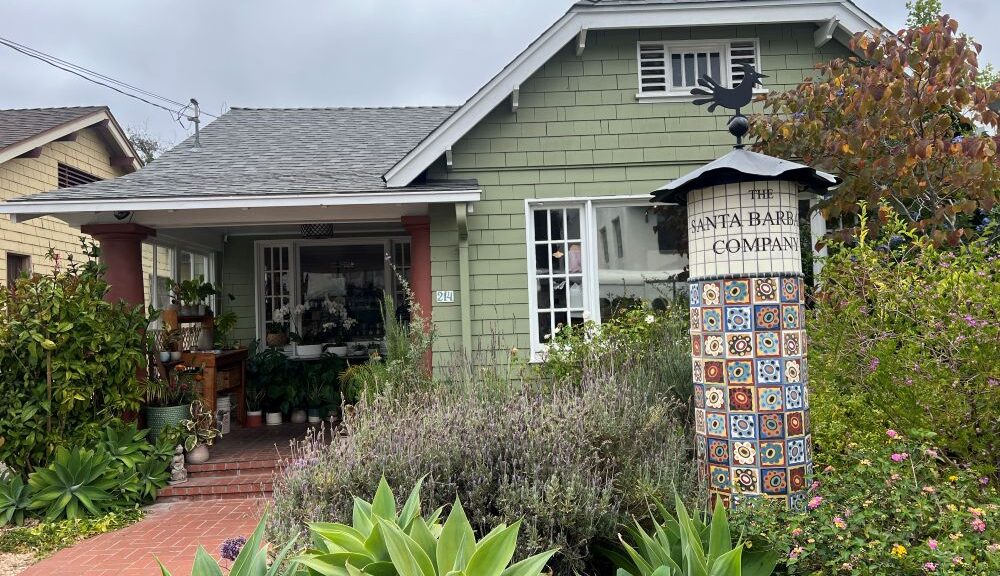
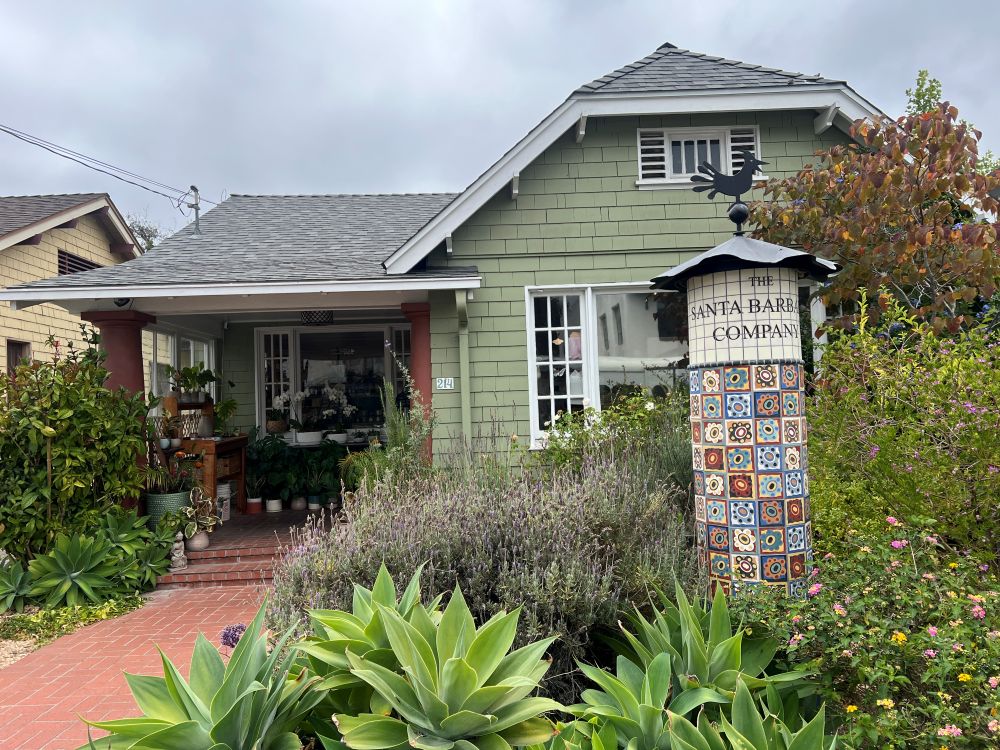
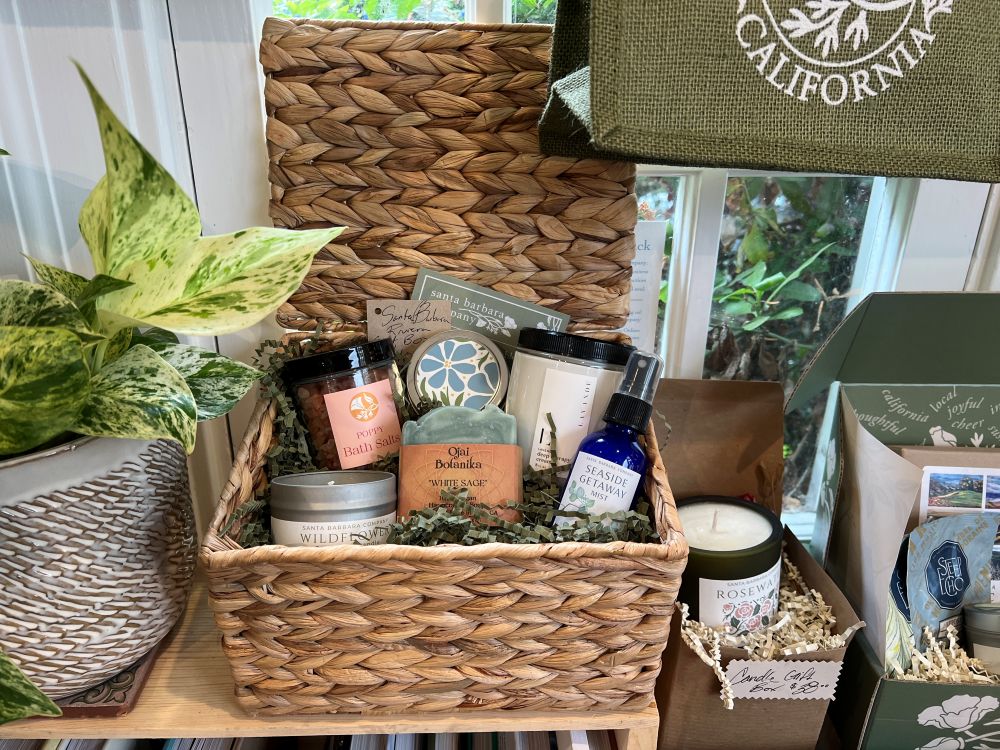
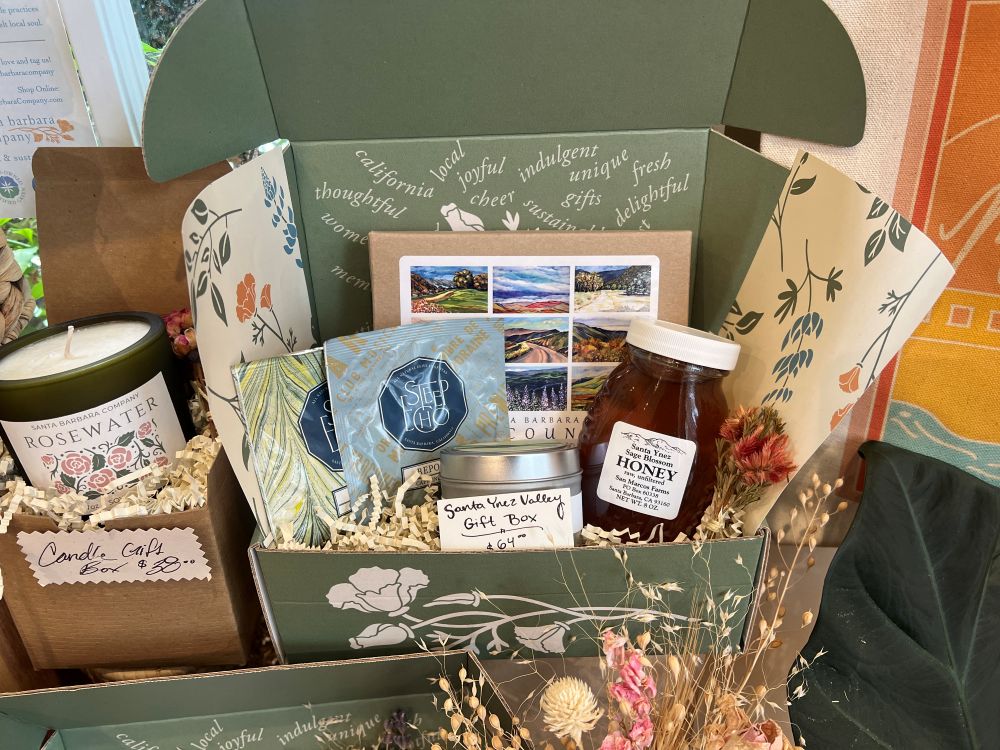
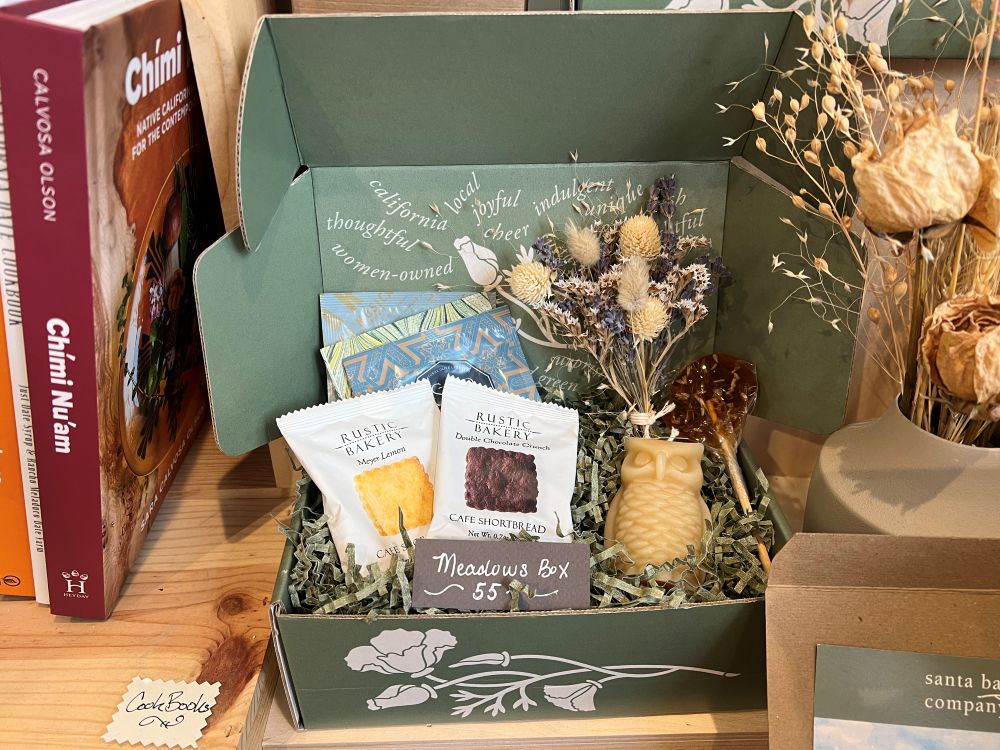
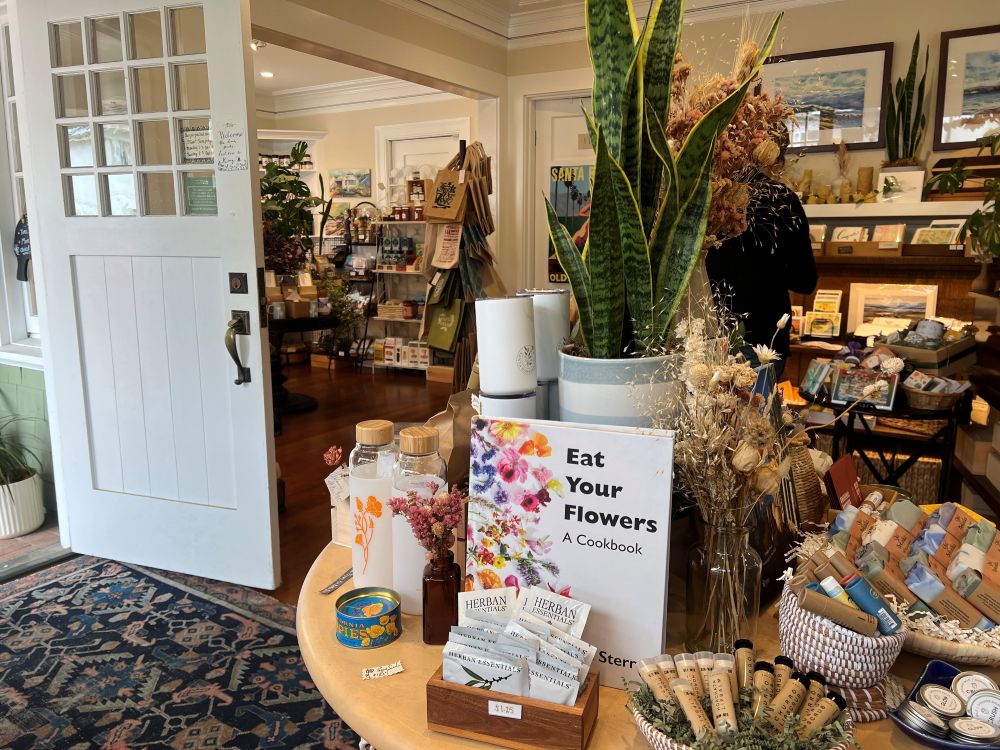
When I stayed at the Simpson House Inn in Santa Barbara, the staff told me to visit the Santa Barbara Company for gifts. They said it is the best place. I went there and saw why.
The store does not only sell items one by one. It makes gift boxes with many different things.
One basket had bath salts, white sage soap, a candle, and a seaside mist. These items are chosen for a calming ritual.
Another box had honey, tea bags, postcards, and a candle, showing the taste of Santa Ynez Valley.
A third box had cookies, a honey lollipop, dried flowers, and a small owl-shaped soap. Each box gave a different feeling.
Making these combinations is not simple. It is difficult to choose across categories and still make the gift feel right. But when it works, it matches well with the personal taste of the receiver. One good example is the wine display by the Inglenook winery.
I do not believe AI could easily perform this task. AI can recommend based on past data, but true curation requires subjectivity. To make new and surprising combinations, human taste and imagination are needed. In that sense, curated gift boxes remind me that human taste is still a unique form of intelligence
Contemporary electronic manufacturers struggle with how to develop attractive bundles by combining their existing smart products. In the present work, we propose Goal Based Bundling (GBB) by drawing on the academic research of goal systems theory (Kruglanski et al., 2018) and shed light on two previously ignored aspects of bundling strategy: service and glue product. We applied our GBB to a collaborative project with Samsung Electronics, whose goal was to develop new product bundles for kids by combining multiple smart home products. We constructed a framework of Samsung Electronics’ smart products and then visualized it on its sales website. A UI design conveying the value of smart products bundle was developed based on GBB structure. We discuss the process and the result of our project to provide insights into the product managers who combine existing smart products to develop a bundle.
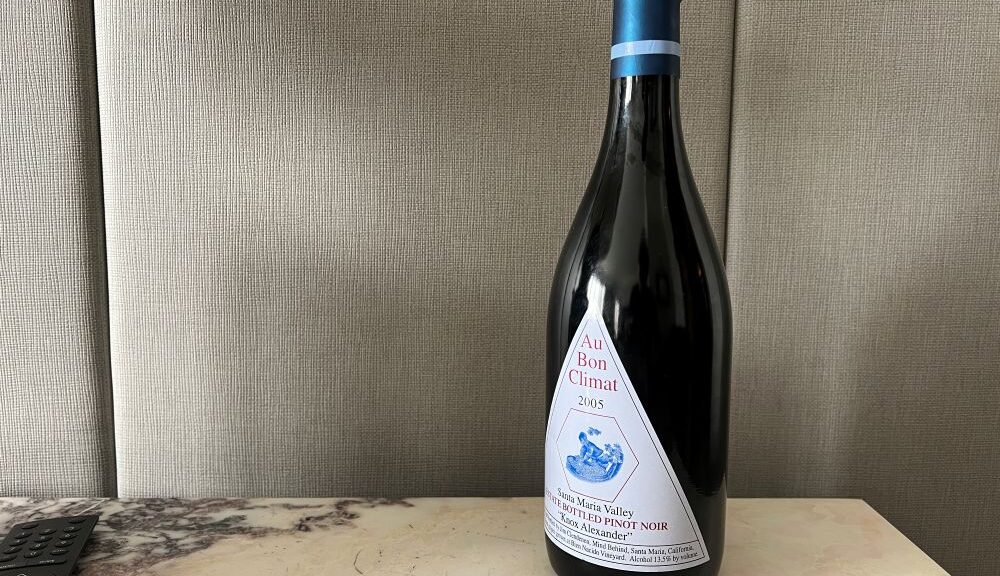
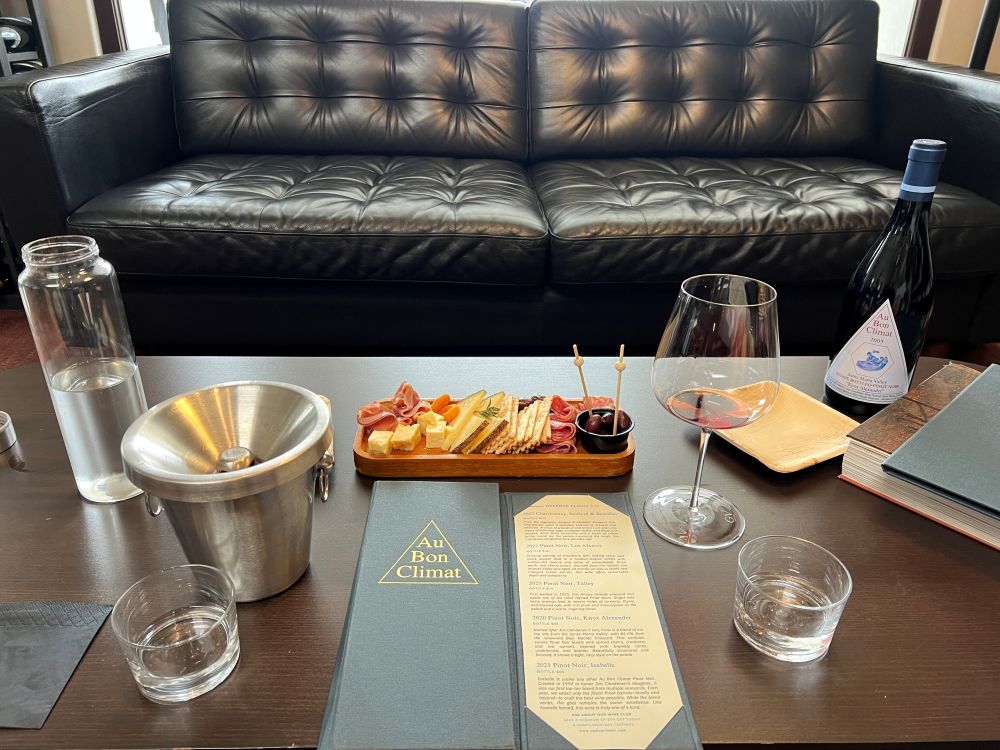
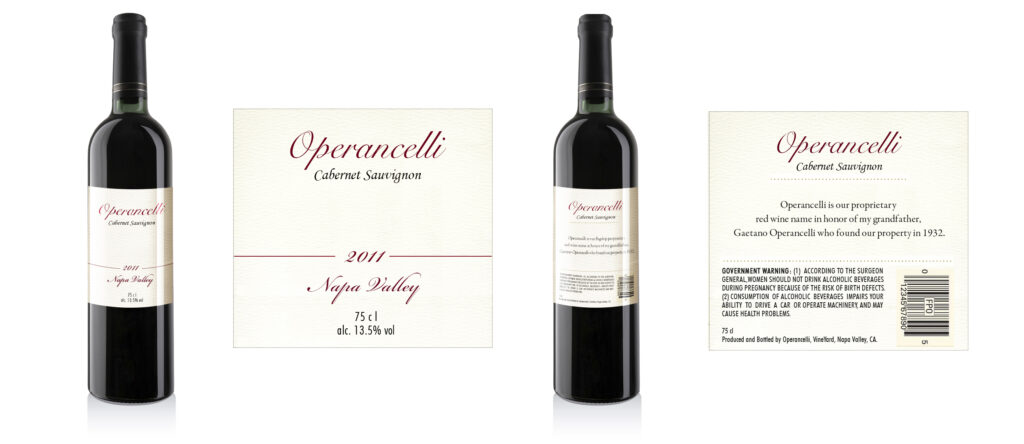
I visited Au Bon Climat in Santa Barbara for a wine tasting. They served four wines under the same winery. Each wine had a different story: one was named after the winemaker’s mother, another after his daughter, and another after his son. The tasting experience combined with these stories felt personal.
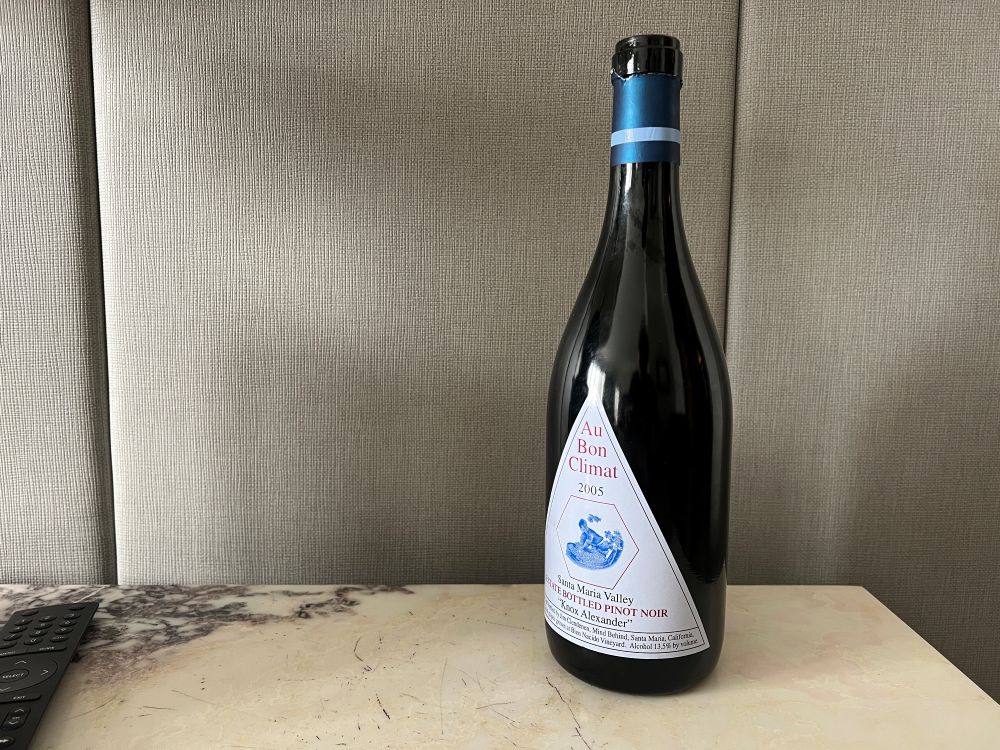
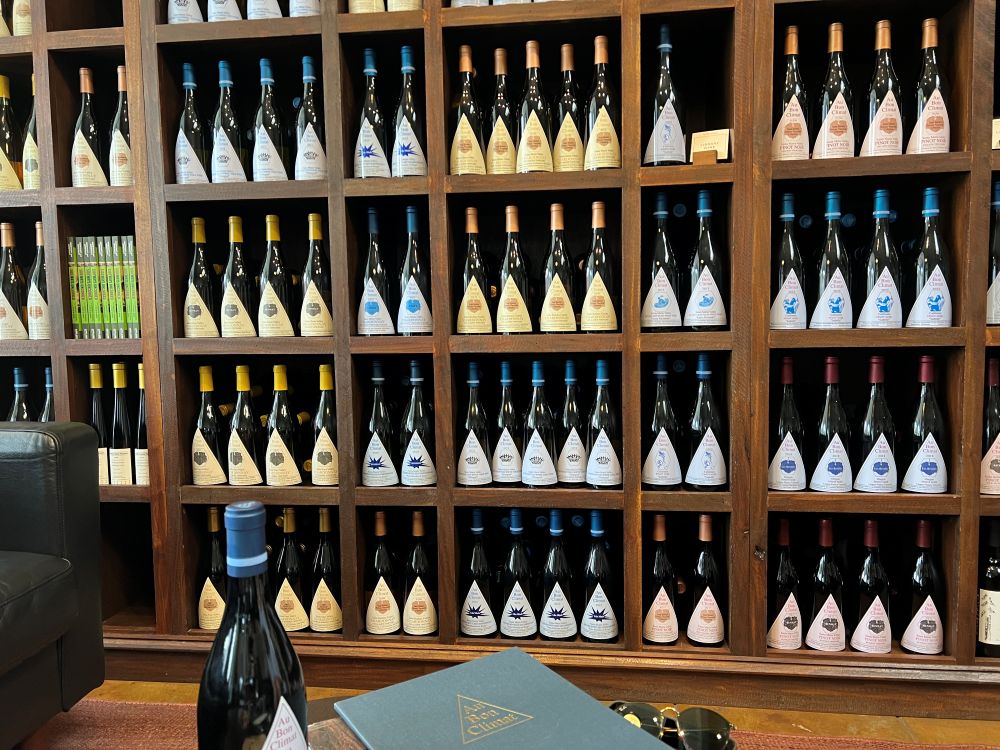
What surprised me more was the wine label. Most wine bottles use square or rectangle labels, but Au Bon Climat uses a triangle label. This shape made the bottle stand out from many other wines on the shelf. Such a small design detail could change how people notice and remember a brand.
This paper investigates whether including authentic information on the back labels of wine bottles enhances consumers’ confidence and purchase intentions about wine; it also assesses the moderating role of involvement and knowledge about wine. We conducted two experimental studies. Study 1 generated three findings. First, when the back label had authentic information, subjects showed higher confidence levels. Second, this effect was hold for subjects with low levels of involvement. Finally, we did not observe this effect for subjects with high levels of involvement. Study 2 extended study 1’s findings and identified the moderated mediation effect of confidence. The findings highlight the important impact on wine choice of authentic information. However, the findings also suggest that authentic information may not be sufficient to attract people with high levels of involvement and knowledge. This study’s findings provide wine producers with practical marketing insights.
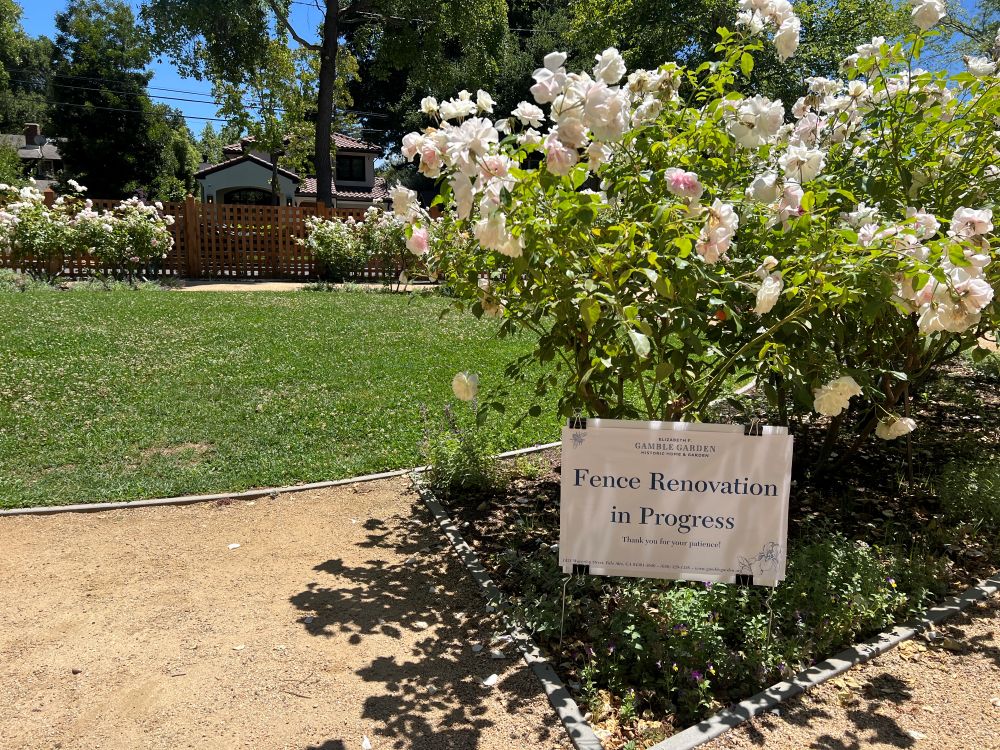
I walked into Gamble Garden in Palo Alto without expecting much. I thought it was just an empty, small garden.
But, a group of people were sitting together, eating lunch and talking. Some were on benches, having quiet conversations. It was peaceful. No one was in a hurry.
This garden was more than just flowers and trees. It was a place where local people met, ate lunch, and shared their thoughts. I didn’t plan to stay long, but the calm feeling made me stop and sit for a while.
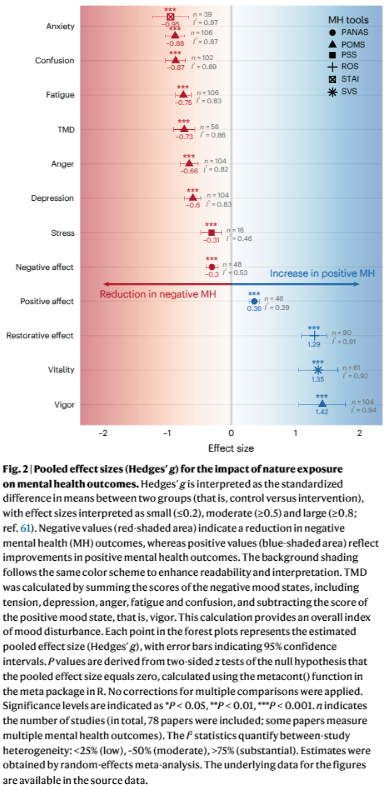
Research says even just sitting in nature helps reduce stress and depression. I felt that. Big cities need more places like this. These “pocket parks” can help people feel better, meet friends, and take a break from busy life.
Mental disorders are more prevalent in cities, yet the global impact of urban nature on mental health remains insufficiently understood. Here we address this gap by systematically reviewing 449 peer-reviewed studies and conducting a meta-analysis of 78 field-based experiments to quantify the effects of various urban nature types on 12 mental health outcomes. Our meta-analysis demonstrates that exposure to urban nature provides substantial benefits for a broad spectrum of mental health outcomes. Green spaces such as urban forests and parks emerged as key elements in mitigating negative moods, such as depression and anxiety, and enhancing overall mental well-being. In particular, the benefits of nature exposure are most pronounced among young adults, although consistent positive effects are evident across all age groups. These findings highlight the importance of safeguarding and expanding access to urban nature as a key strategy for enhancing public health and well-being in cities worldwide.
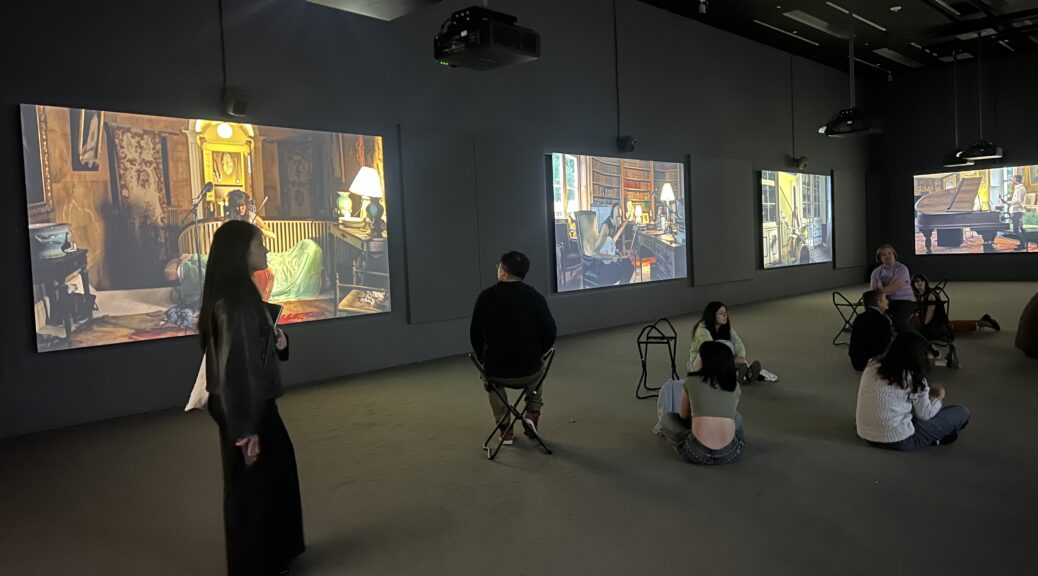
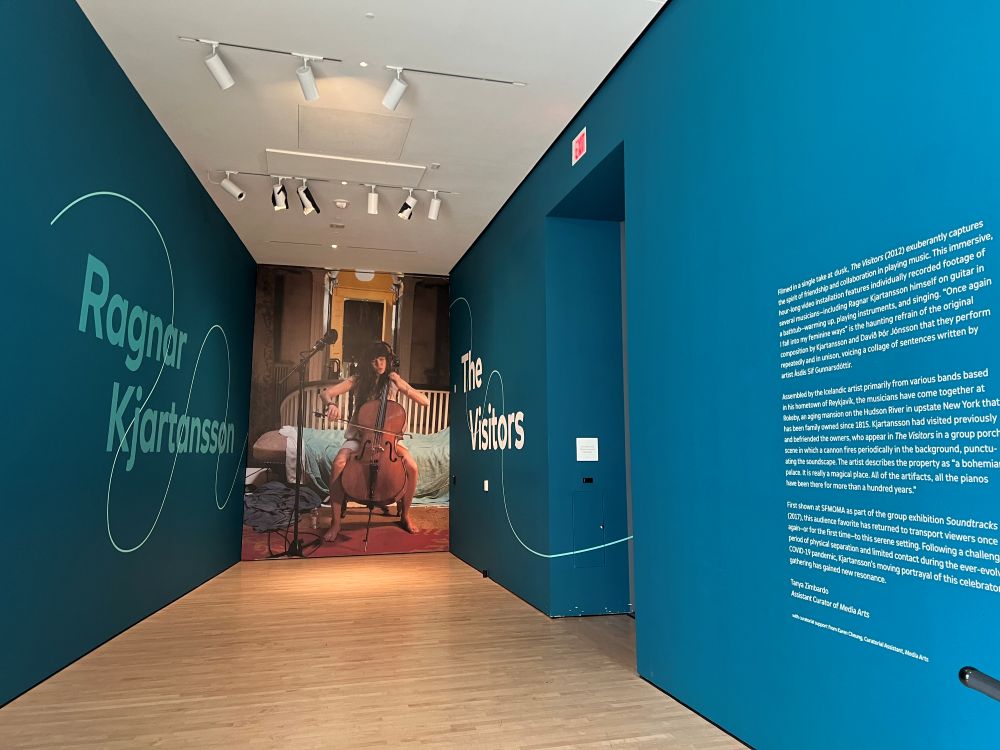
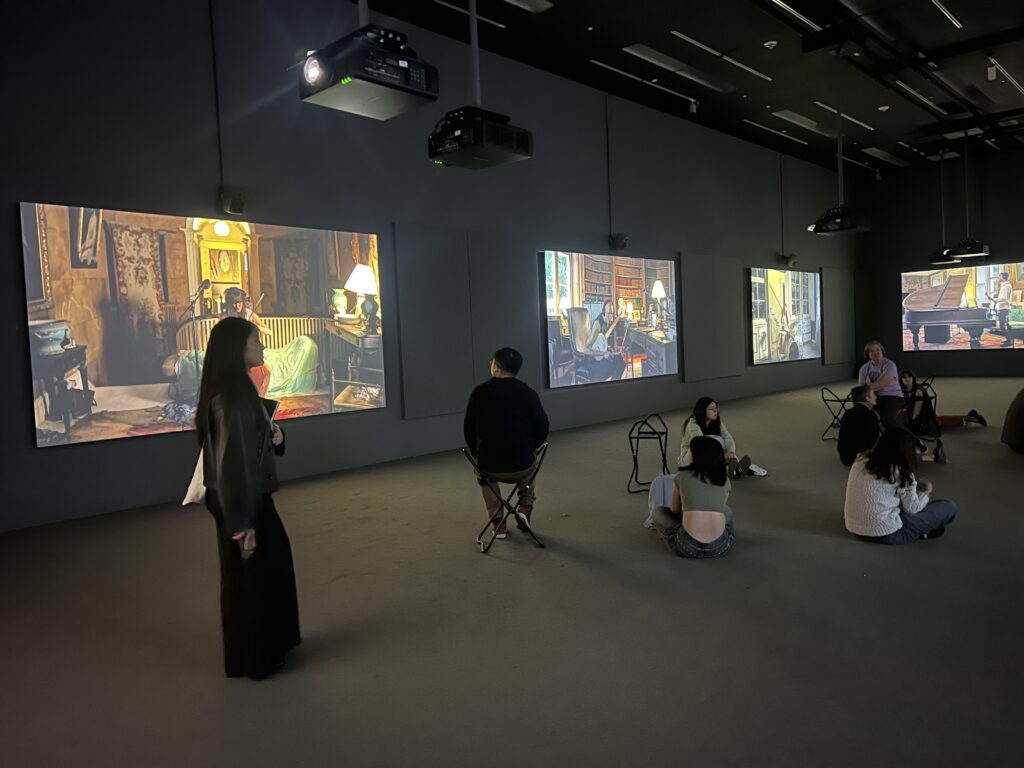
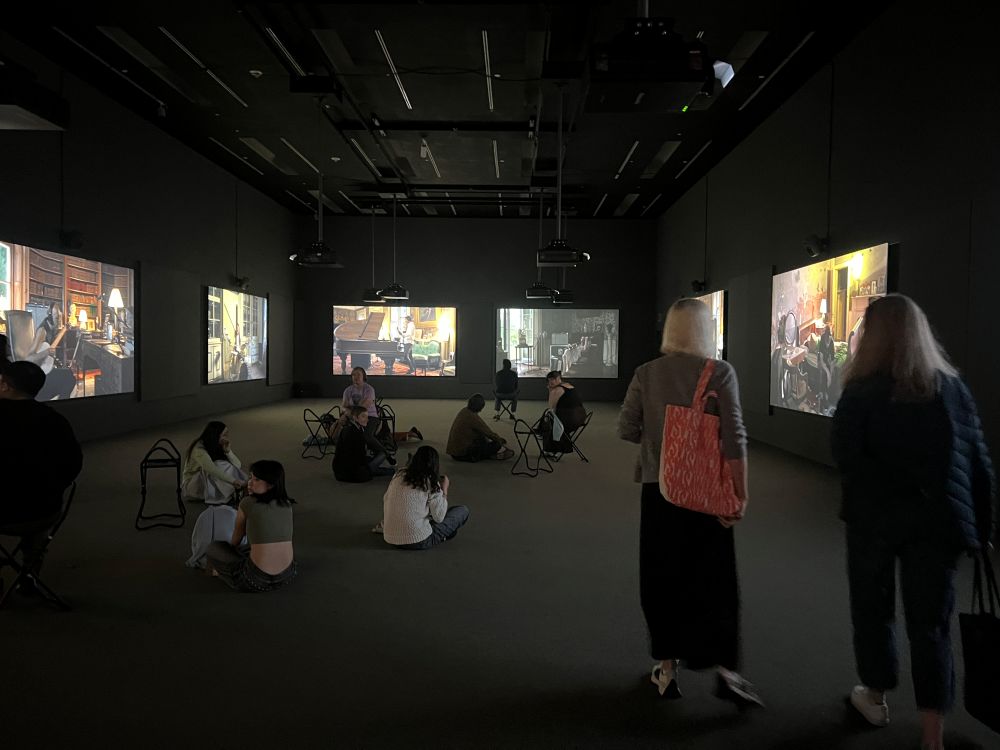
At SF MOMA, I saw The Visitors by Ragnar Kjartansson. It is a video artwork created in 2012. Nine musicians play in separate rooms of an old house. Each screen shows one person, and each plays a different instrument.
At first, I thought this kind of video could be made today by anyone using a phone. But then I realized it was made more than 10 years ago. In 2012, there was no TikTok. YouTube was not a space for art. AI was not a common word. K-pop was not yet global.
Ten years is a long time. This Icelandic artist created this work before many of us imagined how fast the world would change. Like many artists, he seemed to see something ahead. It shows how digital media can connect people who are far apart. This idea feels even more important now.
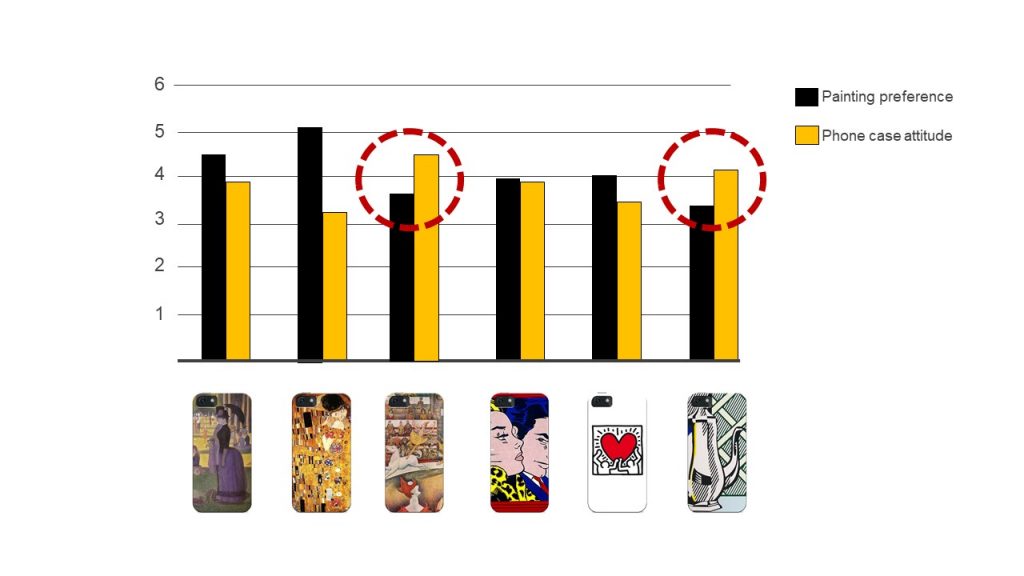
Usually, artists are seen as adding premium value. Research about art infusion shows that when a phone case includes lesser-known art by famous artists like Circus by Seurat or Still Life with Coffee Pot and Flower Pot by Lichtenstein, people like it more.
But The Visitors suggests artists can do more than add value. They can foresee the future. For mysterious reasons, artists often live ahead of their time and sense the future before it arrives. This work still feels like now, even though it was made in 2012.
Background: As the quality of life improves, people’s interest in art increases and their emotional satisfaction becomes important. Companies often apply artwork to their product packages with the aim of satisfying people’s emotions and enhancing their brand value. However, they tend to apply well-known artwork without considering the characteristics of their target consumers. Therefore, this study aims to understand whether people’s preferences for artwork influence their attitudes toward art-infused products.
Methods: We examined whether people’s attitudes toward art-infused products are influenced by their preferences for and the market exposure of artwork. We conducted a study by recruiting 380 undergraduate students in Korea. In the study, we used 6 artworks carefully selected from textbooks and 6 art-infused hypothetical mobile phone cases accordingly.
Results: Our study revealed two findings. First, people’s attitudes toward art-infused products increased as their preferences for the artwork increased (hypothesis 1). Second, the effect of people’s art preferences on their attitudes toward art-infused products was greater when the artwork was less exposed to the market than when it was highly exposed (hypothesis 2).
Conclusions: The results of this study show that when an artwork is selected for product packaging, people’s preferences for the artwork and its market exposure should be considered, suggesting that selecting a well-known artwork is not always the best option. In sum, this study contributes to the academic discussion on mere exposure effect and art marketing, and it provides insights for designers who aim to apply artwork to differentiate their products.
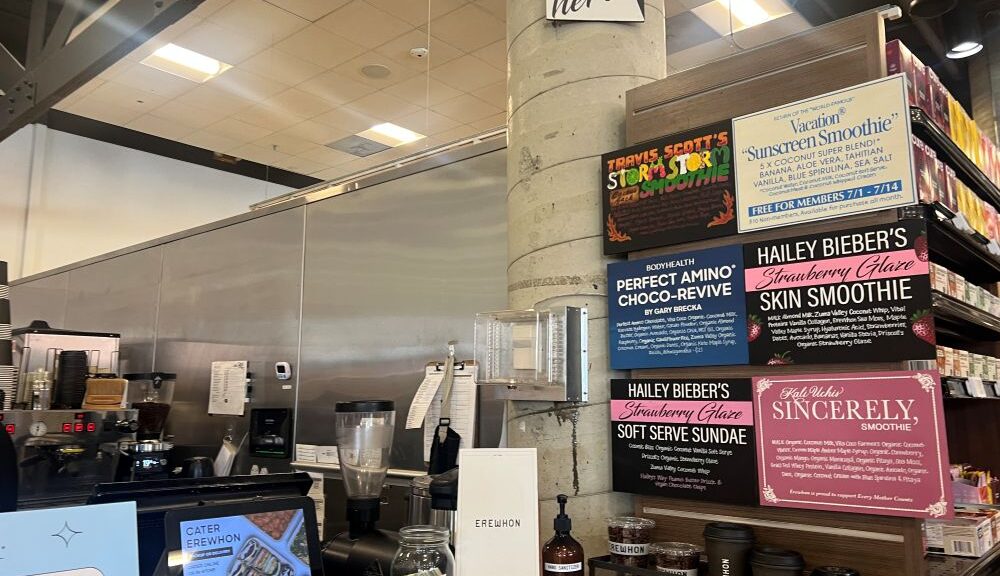
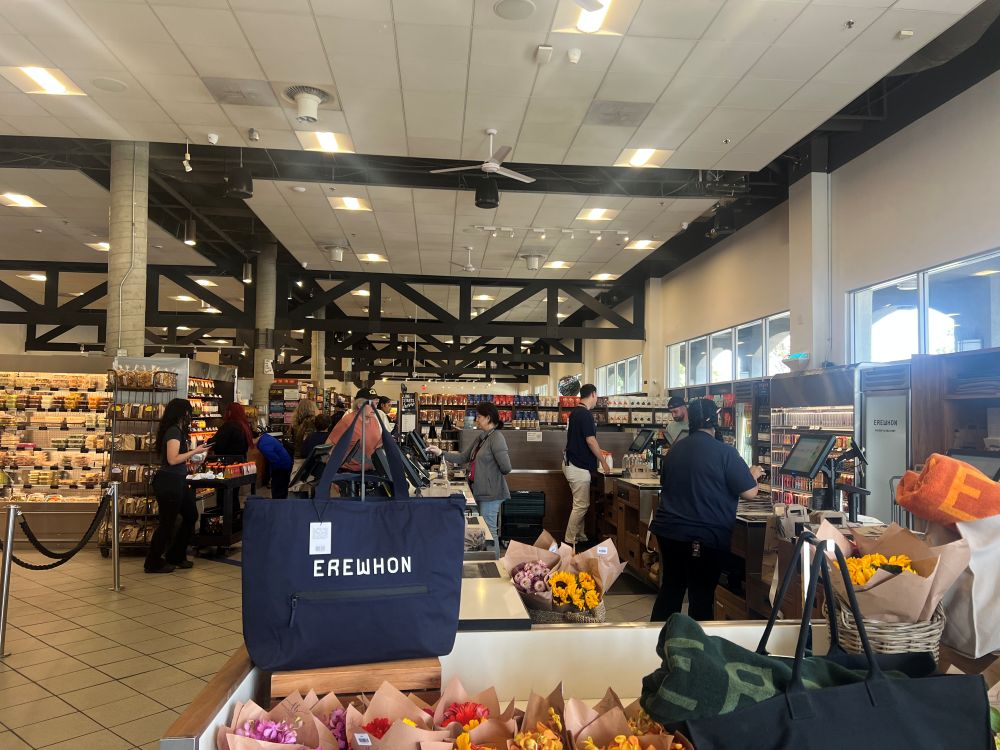
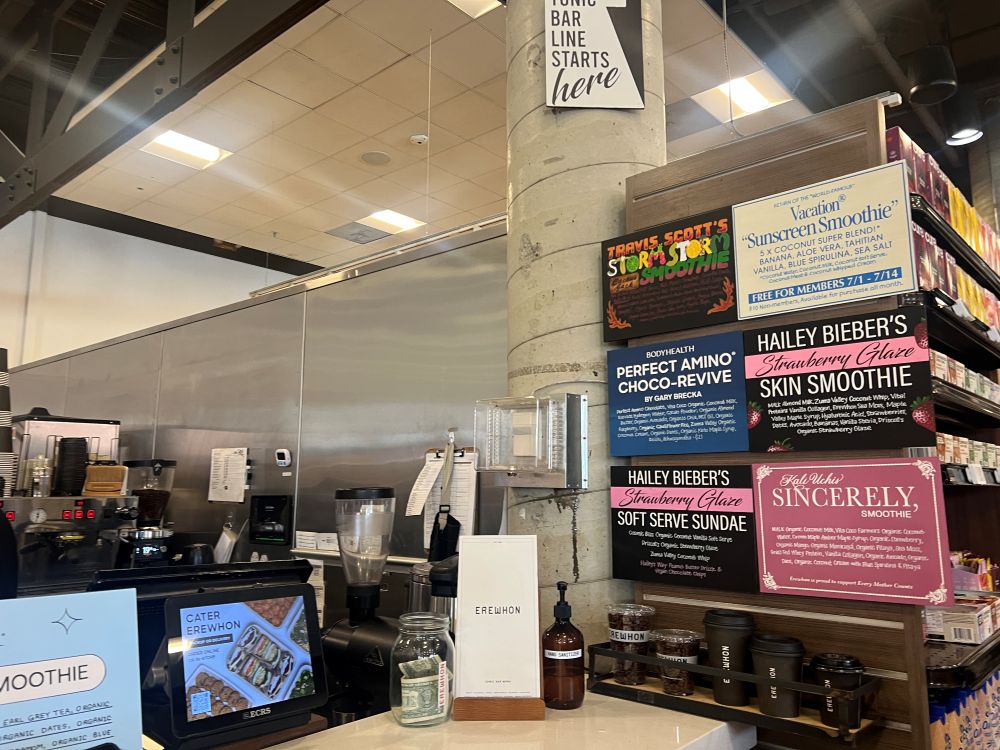
I visited one Erewhon store in Los Angeles. Erewhon is known as the most expensive grocery store in the world. All items are organic or health-focused, and many are linked to celebrities or wellness influencers.
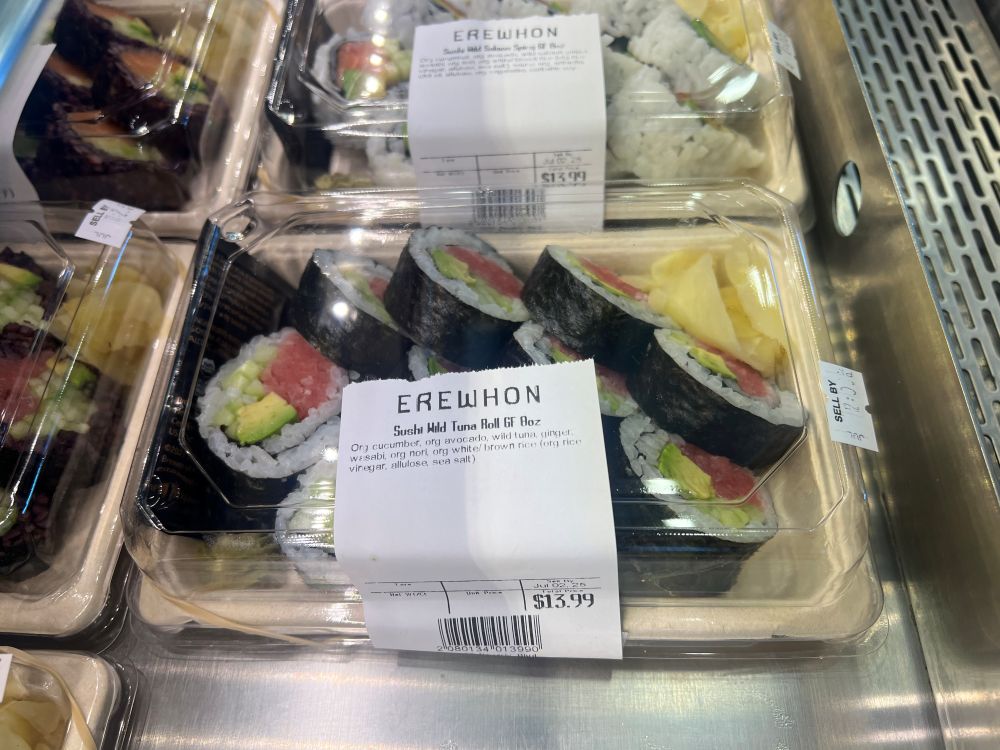
The smoothies are expensive and some are named after Hailey Bieber or Travis Scott. Even a small sushi wild tuna roll costs $14.
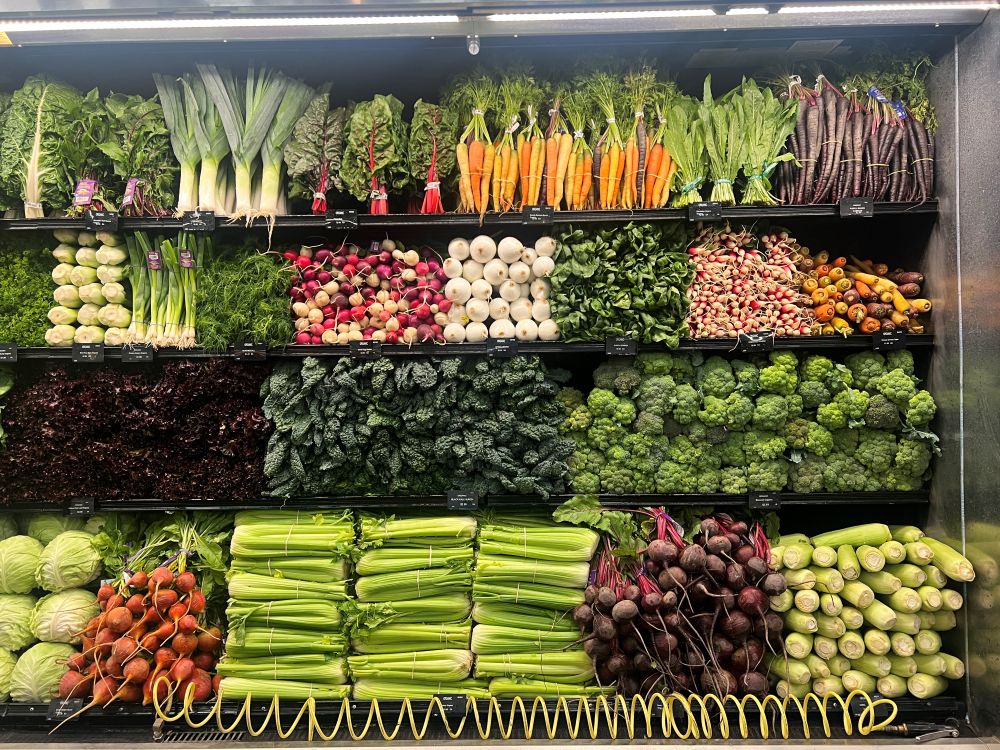
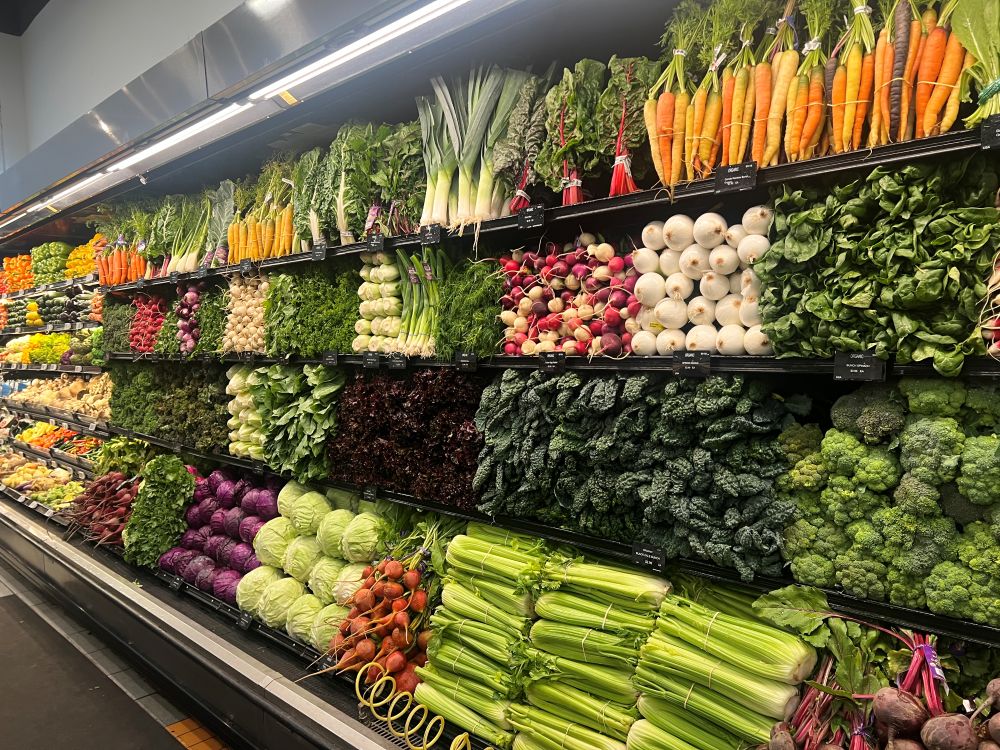
But what surprised me more was how carefully the vegetables were displayed. Each carrot and leaf was perfectly lined up. It looked almost like a vegetable museum. This kind of display, along with sustainable ingredients and celebrity hype, might help customers feel the price is worth it.
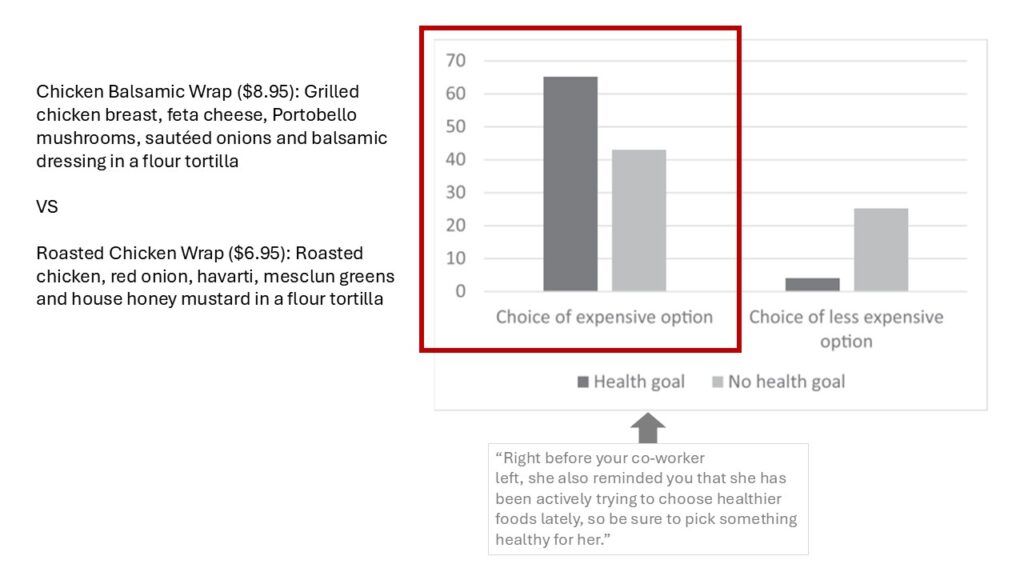
Understanding consumer decision making about what to eat is both complex, as multiple factors can drive food choice, and important, as food choice impacts overall health. This research examines an intuition at the crossroads of two important criteria for food decision making—healthiness and price—finding that consumers believe that healthier food is more expensive than less healthy food. While this relationship may be accurate in some cases, consumers overgeneralize this belief to contexts and product categories where it is not objectively true. As a result, the healthy = expensive intuition influences consumer decision making by impacting inferences of missing attributes and choice between alternatives. Further, consistent with dual process models, the intuition acts as a bias in shaping how consumers process information about health and price when consumers are processing heuristically, including altering both perceptions of how “healthy” a given ingredient is as a function of product price and the amount of information search consumers engage in when evaluating health claims, such that consumers have a higher standard of evidence when evaluating intuition-inconsistent claims. Overall, the healthy = expensive intuition has a powerful influence on consumer decision making, with significant implications for both consumers and marketers.
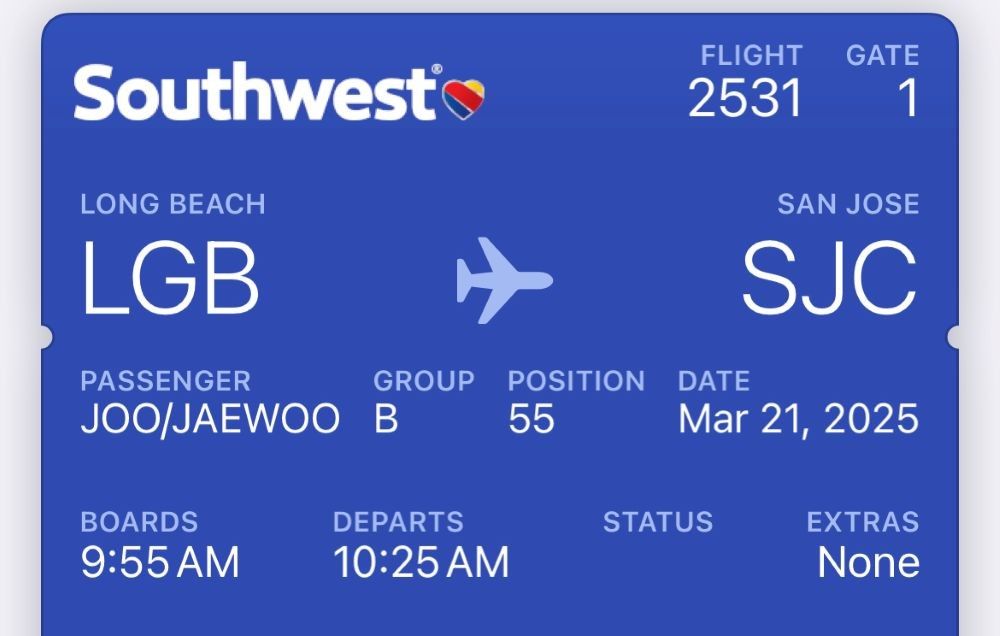
I have used Southwest Airlines a few times when visiting Las Vegas or Los Angeles. While using this airline, I have learned that a small airport like San Jose (SJC) is better than a big one like San Francisco (SFO). My destinations are also local like Long Beach (LGB) or Orange County (SNA) not the big one, Los Angeles (LAX). As I realized that local airports are better than large ones, I felt that Southwest matches that atmosphere well.
I have a memorable experience with Southwest at Long Beach Airport. While the aircraft was being fueled and passengers were boarding, the crew played loud, fun music. It felt very different from other airlines that are usually serious.
Another interesting about Southwest is its boarding system. There is no seat number on the ticket. Just a group and position is shown on the ticket. At the gate, passengers line up in order.
But the most important part is the small airports where Southwest takes off or lands. Small airports are clean, close to downtown, and quiet. They made my Southwest experience feel fresh. If I flew Southwest from big airports like SFO or LAX, I might not feel the same way. Sometimes, the place shapes how we feel about a brand.
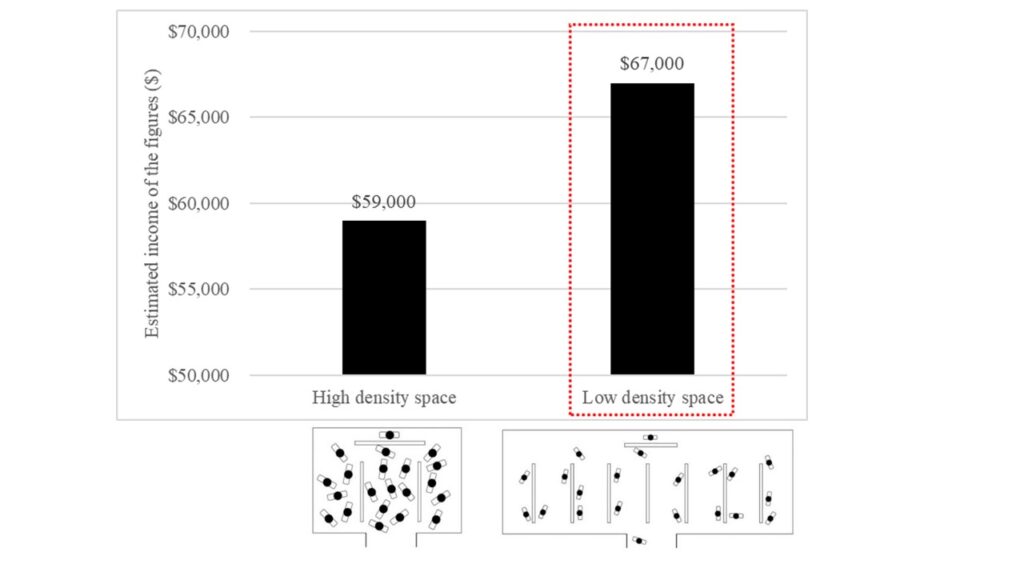
This article is about social space and material objects for sale within that space. We draw primarily on Goffman’s (1971) concepts of use space and possession territories to predict that as the social density of a given space increases, inferences of the subjective social class and income of people in that space fall. Eight studies confirm that this is indeed the case, with the result holding even for stick figures, thus controlling for typical visual indicators of social class such as clothing or jewelry. Furthermore, these social class inferences mediate a relationship between social density and product valuation, with individuals assessing both higher prices and a greater willingness to pay for products presented in less crowded contexts. This effect of inferred class on product valuation is explained by status-motivated individuals’ desire to associate with higher-status people. To the best of our knowledge, this research is the first to reveal the link between social density, status inferences, and object valuations. As such, it makes a novel contribution to what has come to be known in sociology as the topological turn: a renewed focus on social space.
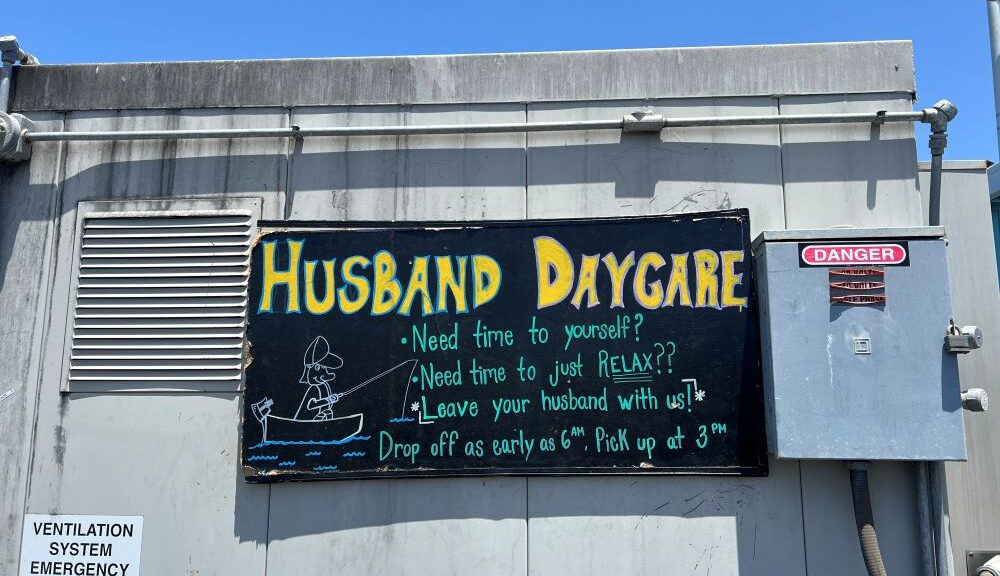
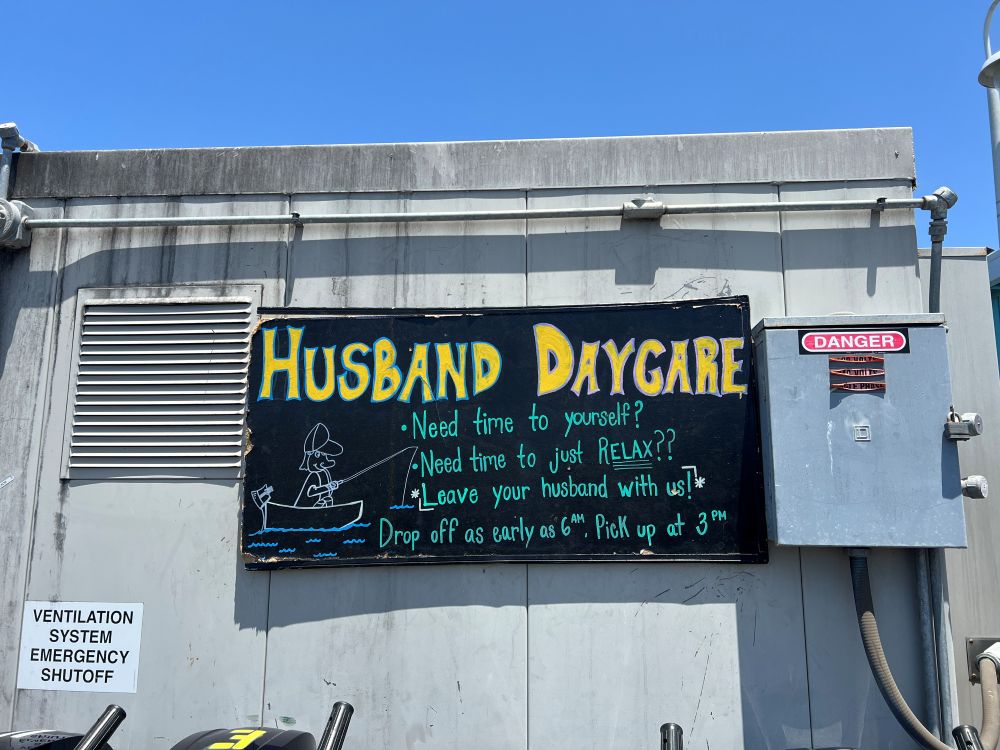
When I visited the Santa Cruz Wharf for the Woodies on the Wharf event, I saw a funny sign. It said:
Husband Daycare Need time to yourself? Need time to just relax? Leave your husband with us! Drop off as early as 6am Pick up at 3pm
This place is not a real daycare but a fishing and motorboat rental shop. Many men come here to enjoy fishing all day. But the sign is written for wives who could leave their husbands here and enjoy free time.
The same event, men fishing, can have two opposite meanings. One story is “men go fishing to have fun.” Another story is “wives get peace while husbands are at daycare.” Like Tom Sawyer convincing others to paint a fence for him, the value of fishing trip is constructed.
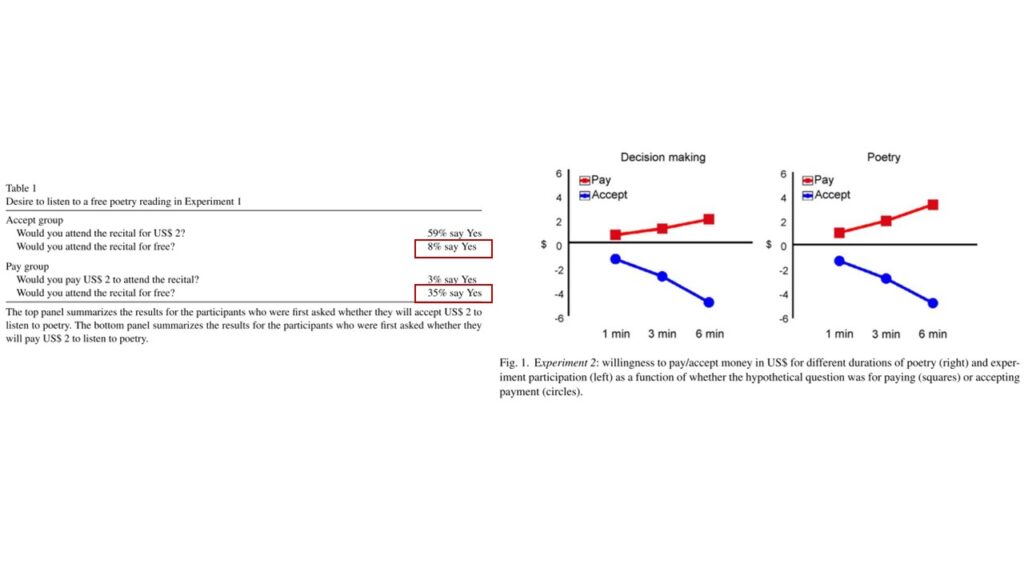
This idea was explained by a classic experimental study in which students were asked if they would attend a poetry recital for free. But before this, they received different questions. One group was first asked if they would attend to receive $2 (accept group). The other group was first asked if they would attend by paying $2 (pay group). Later, when both were asked if they would attend for free, only 8% of the accept group said yes, while 35% of the pay group said yes. This shows that value depends on how the event is framed.
We do not know the real value of an experience. Sometimes, we create that value based on the story we tell others.
This paper challenges the common assumption that economic agents know their tastes. After reviewing previous research showing that valuation of ordinary products and experiences can be manipulated by non-normative cues, we present three studies showing that in some cases people do not have a pre-existing sense of whether an experience is good or bad-even when they have experienced a sample of it.
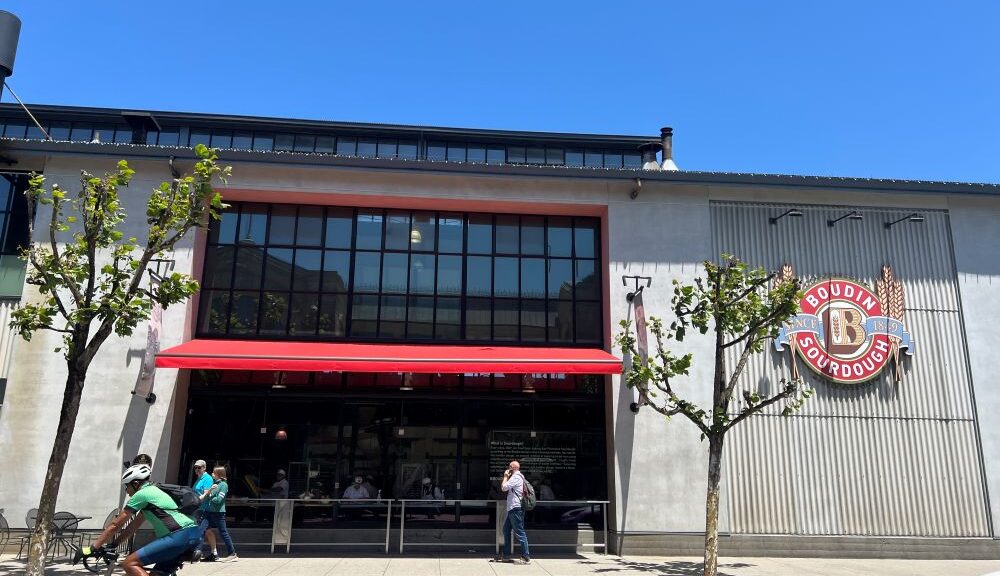
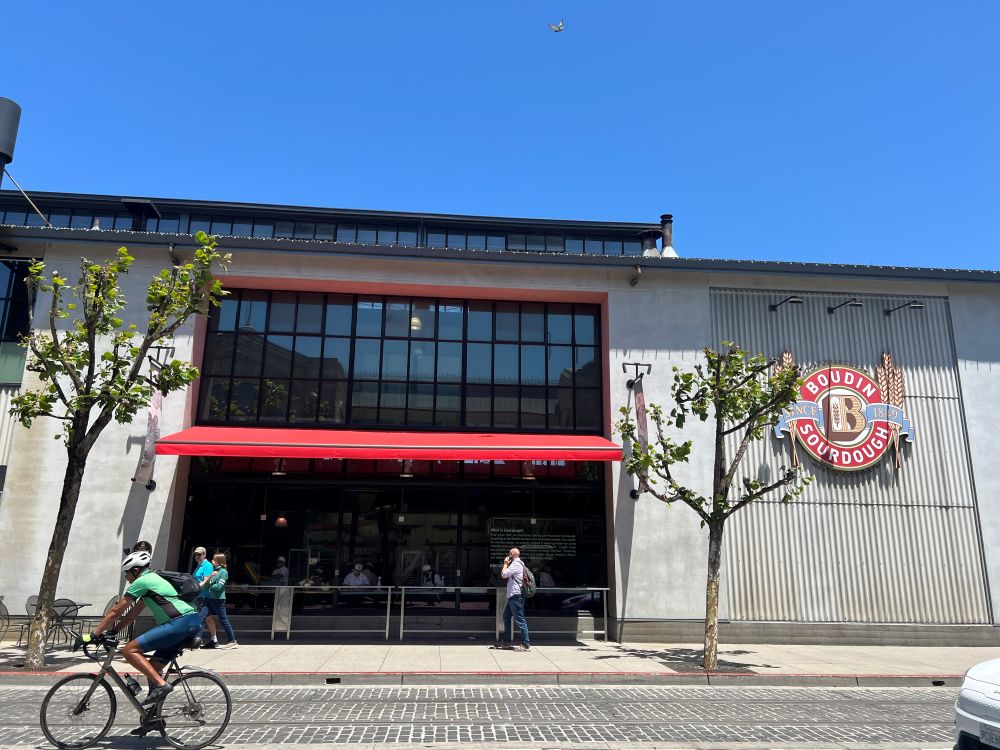
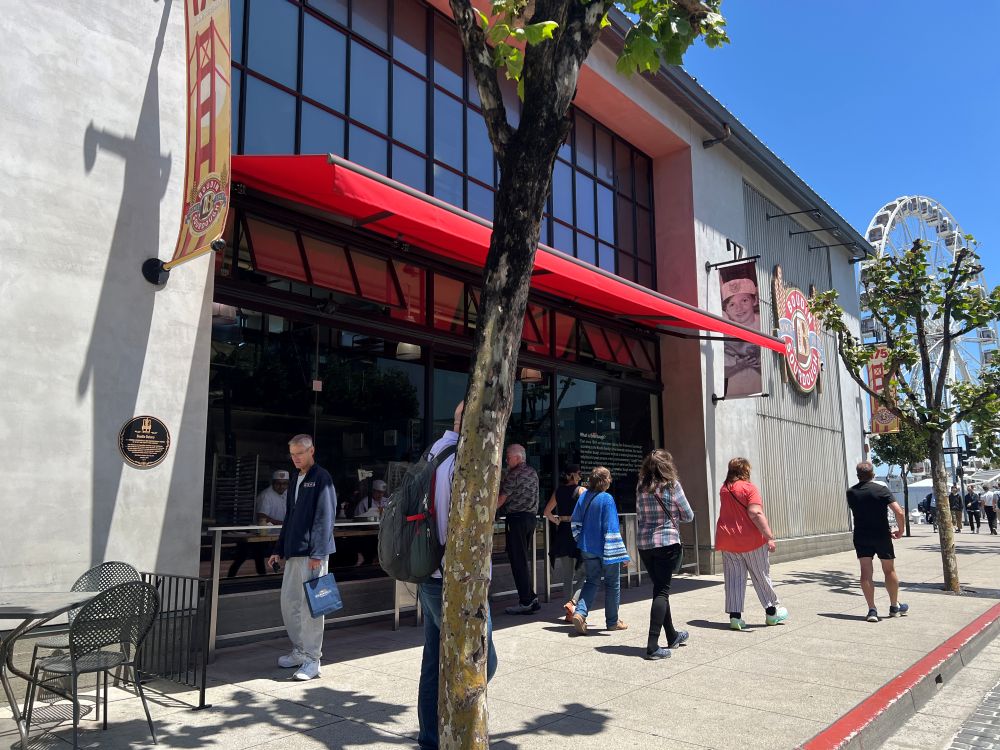
Boudin Bakery at Fisherman’s Wharf is well known for its sourdough bread. Many visitors stop by to enjoy clam chowder served in a sourdough bowl.
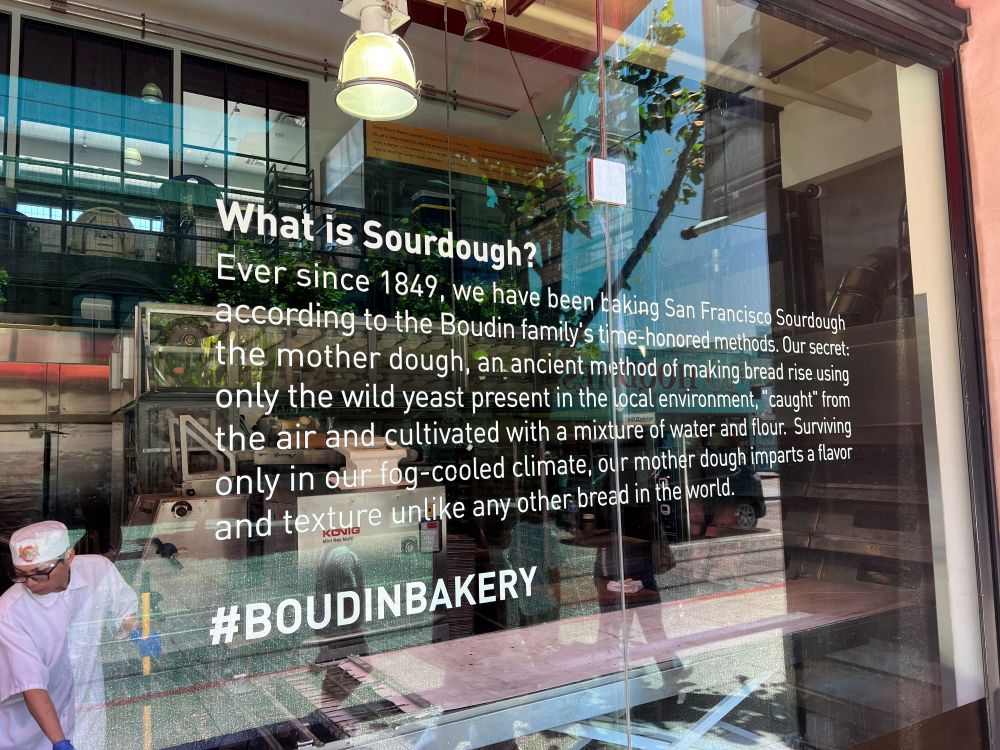
What is Sourdough? Ever since 1849, we have been baking San Francisco Sourdough according to the Boudin family’s time-honored methods. Our secret: the mother dough, an ancient method of making bread rise using only the wild yeast present in the local environment, “caught” from the air and cultivated with a mixture of water and flour. Surviving only in our fog-cooled climate, our mother dough imparts a flavor and texture unlike any other bread in the world.
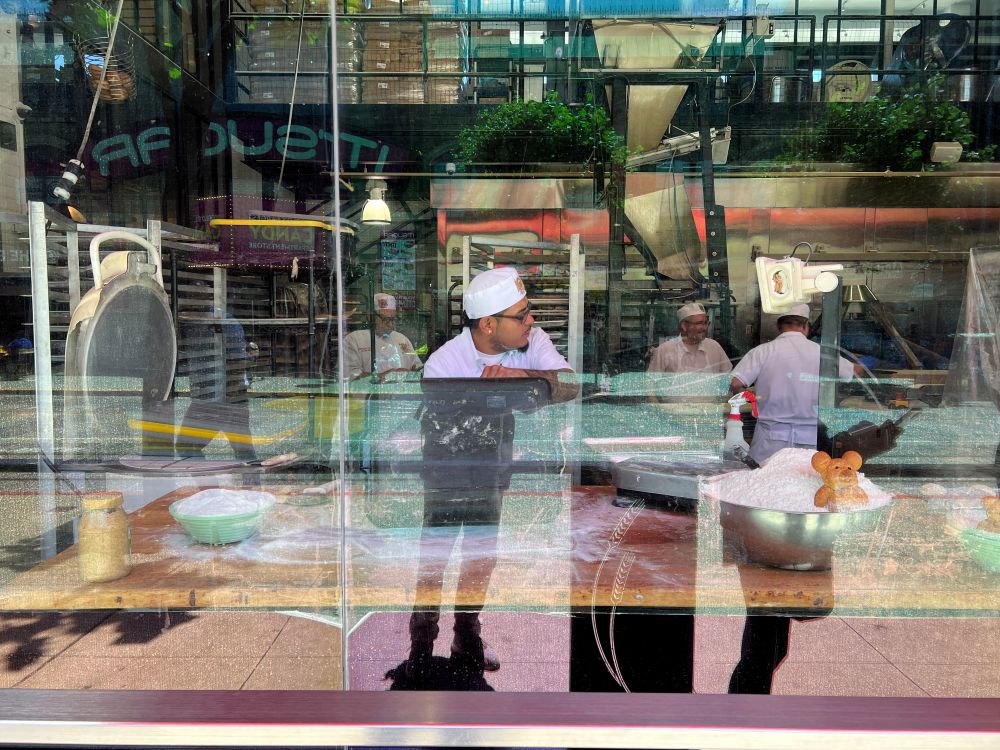
When I visited, I noticed many people were watching how the bread was made.
Inside the building, several bakers were mixing flour, shaping dough, and baking loaves behind large glass windows. Many people stood outside, quietly observing. They were interested in the process, not just the final food. I was curious about why people care about how something is made.
Usually, marketers focus on product benefits. However, consumers may pay greater attention to how a product is made. There could be two reasons. First, they may want to avoid harmful ingredients and look for safety. Second, they may want to give credit to those who work hard.
Regardless of the reasons, marketers should not focus only on product outcomes. They should also make the production process more visible and highlight the makers’ effort. Showing what happens behind the scenes can have a strong impact on how people see the product.
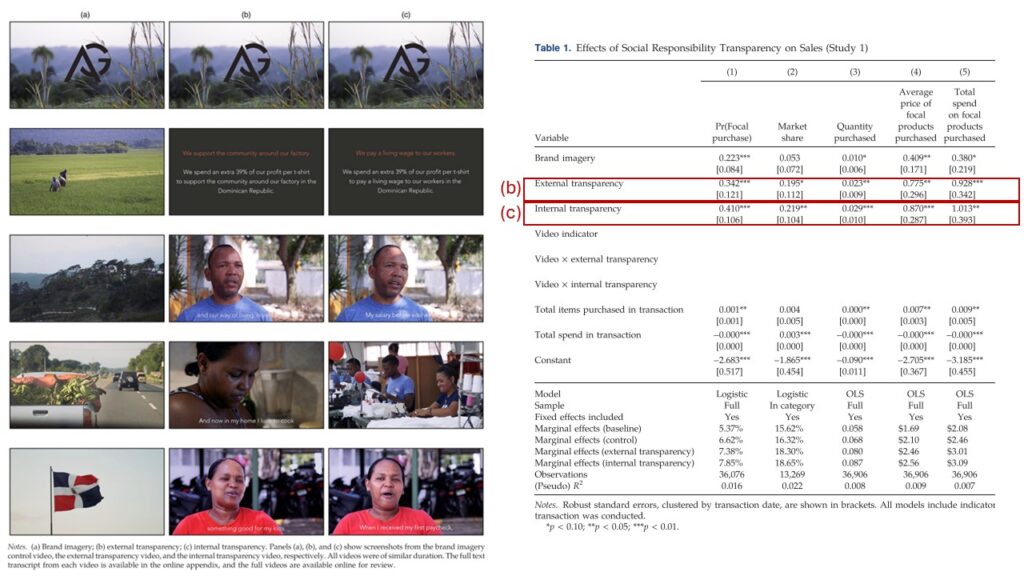
Amid growing calls for transparency and social and environmental responsibility, companies are employing different strategies to improve consumer perceptions of their brands. Some pursue internal initiatives that reduce their negative social or environmental impacts through responsible operations practices (such as paying a living wage to workers or engaging in environmentally sustainable manufacturing). Others pursue external responsibility initiatives (such as philanthropy or cause-related marketing). Through two experiments conducted in the field and complementary online experiments, we compare how transparency into these internal and external initiatives affects customer perceptions and sales. We find that transparency into both internal and external responsibility initiatives tends to dominate generic brand marketing in motivating consumer purchases, supporting the view that consumers take companies’ responsibility efforts into account in their decision making. Furthermore, the results provide converging evidence that transparency into a company’s internal responsibility practices can be at least as motivating of consumer sales as transparency into its external responsibility initiatives, incrementally increasing a consumer’s probability of purchase by 6.40% and 45.85% across our two field experiments, conducted in social and environmental domains, respectively. Our results suggest that it may be in the interest of both business and society for managers to prioritize internal responsible operations initiatives to achieve both top- and bottom-line benefits while mitigating social and environmental harms.
***
Reference 2
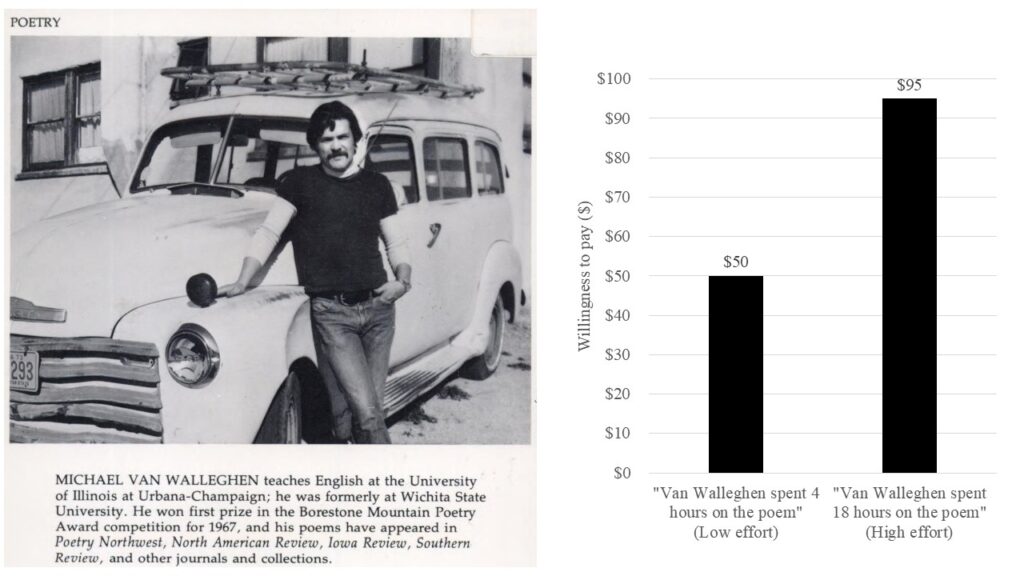
Kruger, J., Wirtz, D., Van Boven, L., & Altermatt, T. W. (2004). The effort heuristic. Journal of Experimental Social Psychology, 40(1), 91–98.
The research presented here suggests that effort is used as a heuristic for quality. Participants rating a poem (Experiment 1), a painting (Experiment 2), or a suit of armor (Experiment 3) provided higher ratings of quality, value, and liking for the work the more time and effort they thought it took to produce. Experiment 3 showed that the use of the effort heuristic, as with all heuristics, is moderated by ambiguity: Participants were more influenced by effort when the quality of the object being evaluated was difficult to ascertain. Discussion centers on the implications of the effort heuristic for everyday judgment and decision-making.
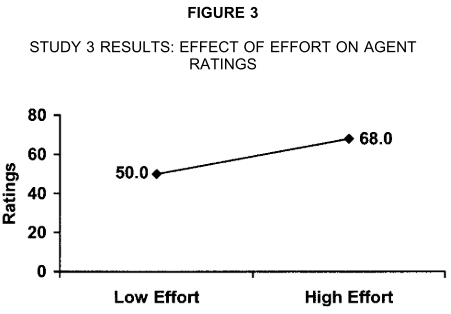
This research shows that consumers reward firms for extra effort. More specifically, a series of three laboratory experiments shows that when firms exert extra effort in making or displaying their products, consumers reward them by increasing their willingness to pay, store choice, and overall evaluations, even if the actual quality of the products is not improved. This rewarding process is defined broadly as general reciprocity. Consistent with attribution theory, the rewarding of generally directed effort is mediated by feelings of gratitude. When consumers infer that effort is motivated by persuasion, however, they no longer feel gratitude and do not reward high-effort firms.
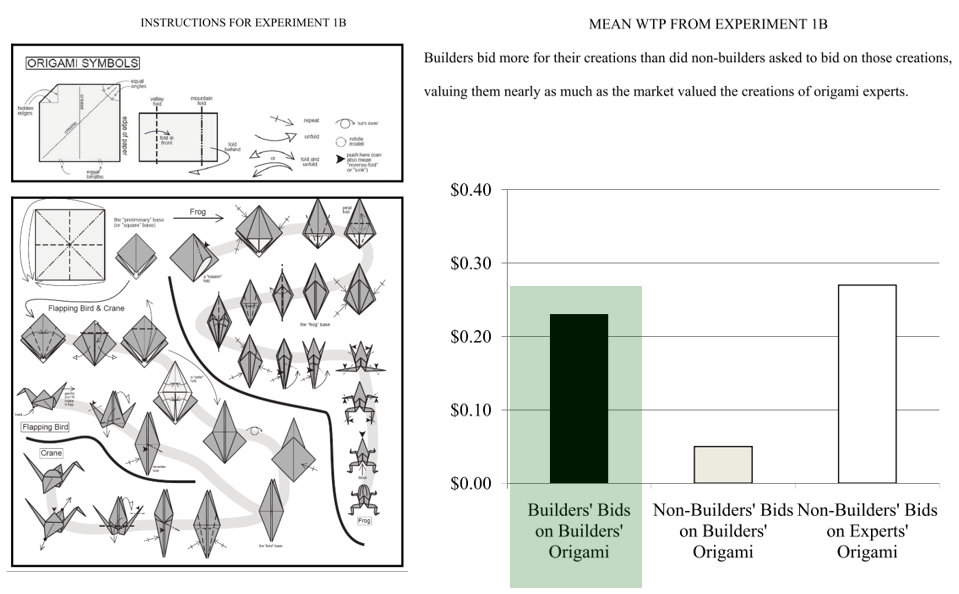
In four studies in which consumers assembled IKEA boxes, folded origami, and built sets of Legos, we demonstrate and investigate boundary conditions for the IKEA effect-the increase in valuation of self-made products. Participants saw their amateurish creations as similar in value to experts’ creations, and expected others to share their opinions. We show that labor leads to love only when labor results in successful completion of tasks; when participants built and then destroyed their creations, or failed to complete them, the IKEA effect dissipated. Finally, we show that labor increases valuation for both “do-it-yourselfers” and novices.